<!DOCTYPE html>
    <html lang="vi" xmlns="http://www.w3.org/1999/xhtml" prefix="og: http://ogp.me/ns#">
    <head>
<title>Philatô và các Tổng Trấn</title>
<meta name="description" content="Philatô và các Tổng Trấn - Savefile - Tin Tức - https&#x3A;&#x002F;&#x002F;gpbanmethuot.net&#x002F;savefile&#x002F;song-dao&#x002F;philato-va-cac-tong-tran-22449.html">
<meta name="author" content="Giáo Phận Ban Mê Thuột">
<meta name="copyright" content="Giáo Phận Ban Mê Thuột [tgmbmt@yahoo.com]">
<meta name="generator" content="NukeViet v4.4">
<meta name="viewport" content="width=device-width, initial-scale=1">
<meta http-equiv="Content-Type" content="text/html; charset=utf-8">
<meta property="og:title" content="Philatô và các Tổng Trấn">
<meta property="og:type" content="website">
<meta property="og:description" content="Savefile - Tin Tức - https&#x3A;&#x002F;&#x002F;gpbanmethuot.net&#x002F;savefile&#x002F;song-dao&#x002F;philato-va-cac-tong-tran-22449.html">
<meta property="og:site_name" content="Giáo Phận Ban Mê Thuột">
<meta property="og:url" content="https://gpbanmethuot.net/song-dao/philato-va-cac-tong-tran-22449.html">
<link rel="shortcut icon" href="https://gpbanmethuot.net/favicon.ico">
<link rel="canonical" href="https://gpbanmethuot.net/song-dao/philato-va-cac-tong-tran-22449.html">
<link rel="alternate" href="https://gpbanmethuot.net/rss/" title="Tin Tức" type="application/rss+xml">
<link rel="alternate" href="https://gpbanmethuot.net/rss/Tin-tuc/" title="Tin Tức - Tin tức" type="application/rss+xml">
<link rel="alternate" href="https://gpbanmethuot.net/rss/giao-phan-bmt/" title="Tin Tức - Giáo phận BMT" type="application/rss+xml">
<link rel="alternate" href="https://gpbanmethuot.net/rss/giao-phan-bmt-14/" title="Tin Tức - Giáo hội Việt Nam" type="application/rss+xml">
<link rel="alternate" href="https://gpbanmethuot.net/rss/giao-hoi-toan-cau/" title="Tin Tức - Giáo hội toàn cầu" type="application/rss+xml">
<link rel="alternate" href="https://gpbanmethuot.net/rss/sinh-hoat/" title="Tin Tức - Sinh Hoạt" type="application/rss+xml">
<link rel="alternate" href="https://gpbanmethuot.net/rss/giao-xu-1/" title="Tin Tức - Giáo xứ" type="application/rss+xml">
<link rel="alternate" href="https://gpbanmethuot.net/rss/ban-muc-vu-1/" title="Tin Tức - Ban Mục vụ" type="application/rss+xml">
<link rel="alternate" href="https://gpbanmethuot.net/rss/dong-tu-1/" title="Tin Tức - Dòng Tu" type="application/rss+xml">
<link rel="alternate" href="https://gpbanmethuot.net/rss/doan-the-cg-1/" title="Tin Tức - Đoàn thể CG" type="application/rss+xml">
<link rel="alternate" href="https://gpbanmethuot.net/rss/song-dao/" title="Tin Tức - Sống Đạo" type="application/rss+xml">
<link rel="alternate" href="https://gpbanmethuot.net/rss/loi-chua-moi-ngay/" title="Tin Tức - Lời Chúa Mỗi Ngày" type="application/rss+xml">
<link rel="alternate" href="https://gpbanmethuot.net/rss/suy-niem-tin-mung/" title="Tin Tức - Suy niệm Tin Mừng" type="application/rss+xml">
<link rel="alternate" href="https://gpbanmethuot.net/rss/chau-thanh-the/" title="Tin Tức - Chầu Thánh Thể" type="application/rss+xml">
<link rel="alternate" href="https://gpbanmethuot.net/rss/hoc-hoi-kinh-thanh/" title="Tin Tức - Học Hỏi Kinh Thánh" type="application/rss+xml">
<link rel="alternate" href="https://gpbanmethuot.net/rss/vui-hoc-thanh-kinh/" title="Tin Tức - Vui Học Thánh Kinh" type="application/rss+xml">
<link rel="alternate" href="https://gpbanmethuot.net/rss/giao-ly/" title="Tin Tức - Giáo lý" type="application/rss+xml">
<link rel="alternate" href="https://gpbanmethuot.net/rss/kien-thuc-giao-ly/" title="Tin Tức - Kiến Thức Giáo Lý" type="application/rss+xml">
<link rel="alternate" href="https://gpbanmethuot.net/rss/kien-thuc-phung-vu/" title="Tin Tức - Kiến Thức Phụng vụ" type="application/rss+xml">
<link rel="alternate" href="https://gpbanmethuot.net/rss/giao-duc-kito-giao/" title="Tin Tức - Giáo Dục Nhân Bản" type="application/rss+xml">
<link rel="alternate" href="https://gpbanmethuot.net/rss/van-hoc-nghe-thuat/" title="Tin Tức - Văn Học - Nghệ Thuật" type="application/rss+xml">
<link rel="alternate" href="https://gpbanmethuot.net/rss/van/" title="Tin Tức - Văn" type="application/rss+xml">
<link rel="alternate" href="https://gpbanmethuot.net/rss/tho/" title="Tin Tức - Thơ" type="application/rss+xml">
<link rel="alternate" href="https://gpbanmethuot.net/rss/am-nhac/" title="Tin Tức - Âm Nhạc" type="application/rss+xml">
<link rel="alternate" href="https://gpbanmethuot.net/rss/trang-ban-doc/" title="Tin Tức - Trang Bạn Đọc" type="application/rss+xml">
<link rel="alternate" href="https://gpbanmethuot.net/rss/goc-thieu-nhi/" title="Tin Tức - Góc Thiếu Nhi" type="application/rss+xml">
<link rel="alternate" href="https://gpbanmethuot.net/rss/hoat-hinh/" title="Tin Tức - Hoạt hình" type="application/rss+xml">
<link rel="alternate" href="https://gpbanmethuot.net/rss/tro-choi/" title="Tin Tức - Trò chơi" type="application/rss+xml">
<link rel="alternate" href="https://gpbanmethuot.net/rss/bai-hat/" title="Tin Tức - Bài hát" type="application/rss+xml">
<link rel="alternate" href="https://gpbanmethuot.net/rss/chuyen-ke/" title="Tin Tức - Chuyện kể" type="application/rss+xml">
<link rel="preload" as="script" href="https://gpbanmethuot.net/assets/js/jquery/jquery.min.js">
<link rel="preload" as="script" href="https://gpbanmethuot.net/assets/js/language/vi.js">
<link rel="preload" as="script" href="https://gpbanmethuot.net/assets/js/global.js">
<link rel="preload" as="script" href="https://gpbanmethuot.net/themes/default/js/news.js">
<link rel="preload" as="script" href="https://gpbanmethuot.net/themes/default/js/main.js">
<link rel="preload" as="script" href="https://gpbanmethuot.net/themes/default/js/custom.js">
<link rel="preload" as="script" href="https://gpbanmethuot.net/themes/default/js/bootstrap.min.js">
<link rel="stylesheet" href="https://gpbanmethuot.net/assets/css/font-awesome.min.css">
<link rel="stylesheet" href="https://gpbanmethuot.net/themes/default/css/bootstrap.min.css">
<link rel="stylesheet" href="https://gpbanmethuot.net/themes/default/css/style.css">
<link rel="stylesheet" href="https://gpbanmethuot.net/themes/default/css/custom.css">
<link rel="stylesheet" href="https://gpbanmethuot.net/themes/default/css/style.responsive.css">
<link rel="StyleSheet" href="https://gpbanmethuot.net/themes/default/css/news.css">
<style>
	body{background: #fff;}
</style>
    </head>
    <body>
<div id="print">
	<div id="hd_print">
		<h2 class="pull-left">Giáo Phận Ban Mê Thuột</h2>
		<p class="pull-right"><a title="Giáo Phận Ban Mê Thuột" href="https://gpbanmethuot.net/">https://gpbanmethuot.net</a></p>
	</div>
	<div class="clear"></div>
	<hr />
	<div id="content">
		<h1>Philatô và các Tổng Trấn</h1>
		<ul class="list-inline">
			<li>Chủ nhật - 29/03/2026 07:02</li>
			<li class="hidden-print txtrequired"><em class="fa fa-print">&nbsp;</em><a title="In ra" href="javascript:;" onclick="window.print()">In ra</a></li>
			<li class="hidden-print txtrequired"><em class="fa fa-power-off">&nbsp;</em><a title="Đóng cửa sổ này" href="javascript:;" onclick="window.close()">Đóng cửa sổ này</a></li>
		</ul>
		<div class="clear"></div>
		<div id="hometext">
			Philatô được cả 4 Tin mừng nhắc đến tổng cộng 61 lần. Danh xưng này còn xuất hiện 3 lần trong sách Công vụ Tông đồ (Cv 3, 13; 4, 27; 13, 28) và 1 lần trong Thư thứ nhất gửi Timôthê (6,13), nâng tổng số lần xuất hiện trong Tân Ước lên 65 lần.Ông là ai mà được Thánh Kinh nhắc lại nhiều lần như vây?
		</div>
				<div class="imghome">
			<img alt="Philatô và các Tổng Trấn" src="https://gpbanmethuot.net/uploads/news/2026_03/image-20260329175310-1.jpeg" width="460" class="img-thumbnail" />
		</div>
		<div class="clear"></div>
		<div id="bodytext" class="clearfix">
			<table class="MsoTableGrid" style="margin-left:7px; border-collapse:collapse; border:none">
	<tbody>
		<tr>
			<td style="border-bottom:1px solid black; width:685px; padding:0cm 7px 0cm 7px; border-top:1px solid black; border-right:1px solid black; border-left:1px solid black" valign="top">
			<div style="text-align: center;"><br />
			<span style="font-size:16pt"><span style="line-height:normal"><span style="font-family:&#039;Times New Roman&#039;,&#039;serif&#039;"><span style="font-size:22px;"><b><span style="color:rgb(0, 32, 96);"><span style="font-size:24px;">Philatô và Các Tổng Trấn</span></span></b></span></span></span></span><br />
			&nbsp;</div>
			<span style="font-size:16pt"><span style="line-height:normal"><span style="font-family:&#039;Times New Roman&#039;,&#039;serif&#039;"><span style="font-size:22px;"><b><span style="color:rgb(0, 32, 96);">I. NƯỚC DO THÁI DƯỚI THỜI ĐẾ QUỐC RÔMA</span></b></span></span></span></span><br />
			<span style="font-size:16pt"><span style="line-height:normal"><span style="font-family:&#039;Times New Roman&#039;,&#039;serif&#039;"><span aria-label=" ảnh widget" contenteditable="false" role="region" tabindex="-1"><b style="mso-bidi-font-weight:normal"><span style="&#039;&#039;&#039;font-size:13.0pt;
 mso-bidi-font-size:15.0pt;mso-bidi-font-family:&#039;Times New Roman&#039;;color:rgb(0, 32, 96);&#039;&#039;&#039;">II. THỐNG ĐỐC VÀ TỔNG TRẤN</span></b></span></span></span></span><br />
			<span style="font-size:16pt"><span style="background:white"><span style="line-height:normal"><span style="font-family:&#039;Times New Roman&#039;,&#039;serif&#039;"><span aria-label=" ảnh widget" contenteditable="false" role="region" tabindex="-1"><b><span style="&#039;&#039;&#039;font-size:13.0pt;
 mso-bidi-font-size:15.0pt;mso-fareast-font-family:&#039;Times New Roman&#039;;
 mso-bidi-font-family:&#039;Times New Roman&#039;;color:rgb(0, 32, 96);&#039;&#039;&#039;">1. Phân cấp hành chính La Mã: Legatus với Prefect</span></b></span></span></span></span></span><br />
			<span style="font-size:16pt"><span style="line-height:normal"><span style="font-family:&#039;Times New Roman&#039;,&#039;serif&#039;"><span aria-label=" ảnh widget" contenteditable="false" role="region" tabindex="-1"><b style="mso-bidi-font-weight:normal"><span style="&#039;&#039;&#039;font-size:13.0pt;
 mso-bidi-font-size:15.0pt;mso-bidi-font-family:&#039;Times New Roman&#039;;color:rgb(0, 32, 96);&#039;&#039;&#039;">3. Tin mừng thánh Luca </span></b></span></span></span></span><br />
			<span style="font-size:16pt"><span style="line-height:normal"><span style="font-family:&#039;Times New Roman&#039;,&#039;serif&#039;"><span aria-label=" ảnh widget" contenteditable="false" role="region" tabindex="-1"><b style="mso-bidi-font-weight:normal"><span style="&#039;&#039;&#039;font-size:13.0pt;
 mso-bidi-font-size:15.0pt;mso-bidi-font-family:&#039;Times New Roman&#039;;color:rgb(0, 32, 96);&#039;&#039;&#039;">III. TỔNG TRẤN PHILATÔ</span></b></span></span></span></span><br />
			<span style="font-size:16pt"><span style="line-height:normal"><span style="font-family:&#039;Times New Roman&#039;,&#039;serif&#039;"><span aria-label=" ảnh widget" contenteditable="false" role="region" tabindex="-1"><b style="mso-bidi-font-weight:normal"><span style="&#039;&#039;&#039;font-size:13.0pt;
 mso-bidi-font-size:15.0pt;mso-bidi-font-family:&#039;Times New Roman&#039;;color:rgb(0, 32, 96);&#039;&#039;&#039;">1. Tổng trấn Phongxiô Philatô <span style="mso-spacerun:yes">&nbsp;</span></span></b><span style="&#039;&#039;&#039;font-size:13.0pt;mso-bidi-font-size:15.0pt;mso-bidi-font-family:&#039;Times New Roman&#039;;
 color:rgb(0, 32, 96);&#039;&#039;&#039;">(Pontius Pilatus, 26-36 sCN)</span></span></span></span></span><br />
			<span style="font-size:16pt"><span style="line-height:normal"><span style="font-family:&#039;Times New Roman&#039;,&#039;serif&#039;"><span aria-label=" ảnh widget" contenteditable="false" role="region" tabindex="-1"><b style="mso-bidi-font-weight:normal"><span style="&#039;&#039;&#039;font-size:13.0pt;
 mso-bidi-font-size:15.0pt;mso-bidi-font-family:&#039;Times New Roman&#039;;color:rgb(0, 32, 96);&#039;&#039;&#039;">2. Nhiệm vụ</span></b><span style="&#039;&#039;&#039;font-size:13.0pt;mso-bidi-font-size:15.0pt;
 mso-bidi-font-family:&#039;Times New Roman&#039;;color:rgb(0, 32, 96);&#039;&#039;&#039;"> </span></span></span></span></span><br />
			<span style="font-size:16pt"><span style="line-height:normal"><span style="font-family:&#039;Times New Roman&#039;,&#039;serif&#039;"><span aria-label=" ảnh widget" contenteditable="false" role="region" tabindex="-1"><b style="mso-bidi-font-weight:normal"><span style="&#039;&#039;&#039;font-size:13.0pt;
 mso-bidi-font-size:15.0pt;mso-bidi-font-family:&#039;Times New Roman&#039;;color:rgb(0, 32, 96);&#039;&#039;&#039;">3. Cai trị</span></b></span></span></span></span><br />
			<span style="font-size:16pt"><span style="line-height:normal"><span style="font-family:&#039;Times New Roman&#039;,&#039;serif&#039;"><span aria-label=" ảnh widget" contenteditable="false" role="region" tabindex="-1"><b style="mso-bidi-font-weight:normal"><span style="&#039;&#039;&#039;font-size:13.0pt;
 mso-bidi-font-size:15.0pt;mso-bidi-font-family:&#039;Times New Roman&#039;;color:rgb(0, 32, 96);&#039;&#039;&#039;">4.</span></b><span style="&#039;&#039;&#039;font-size:13.0pt;mso-bidi-font-size:15.0pt;mso-bidi-font-family:&#039;Times New Roman&#039;;
 color:rgb(0, 32, 96);&#039;&#039;&#039;"> <b style="mso-bidi-font-weight:normal">Philatô &amp; Chúa Giêsu</b></span></span></span></span></span><br />
			<span style="font-size:16pt"><span style="line-height:normal"><span style="font-family:&#039;Times New Roman&#039;,&#039;serif&#039;"><span aria-label=" ảnh widget" contenteditable="false" role="region" tabindex="-1"><b style="mso-bidi-font-weight:normal"><span style="&#039;&#039;&#039;font-size:13.0pt;
 mso-bidi-font-size:15.0pt;mso-bidi-font-family:&#039;Times New Roman&#039;;color:rgb(0, 32, 96);&#039;&#039;&#039;">5. Vợ Của Tổng Trấn Philatô</span></b></span></span></span></span><br />
			<span style="font-size:16pt"><span style="line-height:normal"><span style="font-family:&#039;Times New Roman&#039;,&#039;serif&#039;"><span aria-label=" ảnh widget" contenteditable="false" role="region" tabindex="-1"><b style="mso-bidi-font-weight:normal"><span style="&#039;&#039;&#039;font-size:13.0pt;
 mso-bidi-font-size:15.0pt;mso-bidi-font-family:&#039;Times New Roman&#039;;color:rgb(0, 32, 96);&#039;&#039;&#039;">6. Cái chết và kết cục của Philatô</span></b></span></span></span></span><br />
			<span style="font-size:16pt"><span style="line-height:normal"><span style="font-family:&#039;Times New Roman&#039;,&#039;serif&#039;"><span aria-label=" ảnh widget" contenteditable="false" role="region" tabindex="-1"><b style="mso-bidi-font-weight:normal"><span style="&#039;&#039;&#039;font-size:13.0pt;
 mso-bidi-font-size:15.0pt;mso-bidi-font-family:&#039;Times New Roman&#039;;color:rgb(0, 32, 96);&#039;&#039;&#039;">a</span></b><span style="&#039;&#039;&#039;font-size:13.0pt;mso-bidi-font-size:15.0pt;mso-bidi-font-family:&#039;Times New Roman&#039;;
 color:rgb(0, 32, 96);&#039;&#039;&#039;">. <b style="mso-bidi-font-weight:normal">Philatô tự sát</b> </span></span></span></span></span><br />
			<span style="font-size:16pt"><span style="line-height:normal"><span style="font-family:&#039;Times New Roman&#039;,&#039;serif&#039;"><span aria-label=" ảnh widget" contenteditable="false" role="region" tabindex="-1"><b style="mso-bidi-font-weight:normal"><span style="&#039;&#039;&#039;font-size:13.0pt;
 mso-bidi-font-size:15.0pt;mso-bidi-font-family:&#039;Times New Roman&#039;;color:rgb(0, 32, 96);&#039;&#039;&#039;">b. Philatô bị xử tử hoặc chết lưu đày</span></b></span></span></span></span><br />
			<span style="font-size:16pt"><span style="line-height:normal"><span style="font-family:&#039;Times New Roman&#039;,&#039;serif&#039;"><span aria-label=" ảnh widget" contenteditable="false" role="region" tabindex="-1"><b style="mso-bidi-font-weight:normal"><span style="&#039;&#039;&#039;font-size:13.0pt;
 mso-bidi-font-size:15.0pt;mso-bidi-font-family:&#039;Times New Roman&#039;;color:rgb(0, 32, 96);&#039;&#039;&#039;">c. Truyền thống Đông phương (rất đặc biệt)</span></b></span></span></span></span><br />
			<span style="font-size:16pt"><span style="line-height:normal"><span style="font-family:&#039;Times New Roman&#039;,&#039;serif&#039;"><span aria-label=" ảnh widget" contenteditable="false" role="region" tabindex="-1"><b style="mso-bidi-font-weight:normal"><span style="&#039;&#039;&#039;font-size:13.0pt;
 mso-bidi-font-size:15.0pt;mso-bidi-font-family:&#039;Times New Roman&#039;;color:rgb(0, 32, 96);&#039;&#039;&#039;">IV.</span></b><span style="&#039;&#039;&#039;font-size:13.0pt;mso-bidi-font-size:15.0pt;mso-bidi-font-family:&#039;Times New Roman&#039;;
 color:rgb(0, 32, 96);&#039;&#039;&#039;"> </span><b><span style="&#039;&#039;&#039;font-size:13.0pt;mso-bidi-font-size:
 15.0pt;mso-fareast-font-family:&#039;Times New Roman&#039;;mso-bidi-font-family:&#039;Times New Roman&#039;;
 color:rgb(0, 32, 96);mso-font-kerning:18.0pt&#039;&#039;&#039;">TỔNG TRẤN PHÊLÍCH &amp; PHÉTTÔ</span></b></span></span></span></span><br />
			<span style="font-size:16pt"><span style="line-height:normal"><span style="font-family:&#039;Times New Roman&#039;,&#039;serif&#039;"><span aria-label=" ảnh widget" contenteditable="false" role="region" tabindex="-1"><b><span style="&#039;&#039;&#039;font-size:13.0pt;mso-bidi-font-size:
 15.0pt;mso-fareast-font-family:&#039;Times New Roman&#039;;mso-bidi-font-family:&#039;Times New Roman&#039;;
 color:rgb(0, 32, 96);&#039;&#039;&#039;">1. <span style="mso-font-kerning:18.0pt">Tổng trấn Antôniô </span>Phêlích </span></b><span style="&#039;&#039;&#039;font-size:13.0pt;mso-bidi-font-size:15.0pt;
 mso-fareast-font-family:&#039;Times New Roman&#039;;mso-bidi-font-family:&#039;Times New Roman&#039;;
 color:rgb(0, 32, 96);mso-font-kerning:18.0pt;mso-bidi-font-weight:bold&#039;&#039;&#039;">(Antonius Felix, 52-59)</span></span></span></span></span><br />
			<span style="font-size:16pt"><span style="line-height:normal"><span style="font-family:&#039;Times New Roman&#039;,&#039;serif&#039;"><span aria-label=" ảnh widget" contenteditable="false" role="region" tabindex="-1"><b><span style="&#039;&#039;&#039;font-size:13.0pt;mso-bidi-font-size:
 15.0pt;mso-fareast-font-family:&#039;Times New Roman&#039;;mso-bidi-font-family:&#039;Times New Roman&#039;;
 color:rgb(0, 32, 96);mso-font-kerning:18.0pt&#039;&#039;&#039;">2 . Tổng trấn Pôxiô Phéttô </span></b><span style="&#039;&#039;&#039;font-size:13.0pt;mso-bidi-font-size:15.0pt;mso-fareast-font-family:
 &#039;Times New Roman&#039;;mso-bidi-font-family:&#039;Times New Roman&#039;;color:rgb(0, 32, 96);
 mso-font-kerning:18.0pt;mso-bidi-font-weight:bold&#039;&#039;&#039;">(Porcius Festus, 59-62)</span></span></span></span></span><br />
			<span style="font-size:16pt"><span style="line-height:normal"><span style="font-family:&#039;Times New Roman&#039;,&#039;serif&#039;"><span aria-label=" ảnh widget" contenteditable="false" role="region" tabindex="-1"><b style="mso-bidi-font-weight:normal"><span style="&#039;&#039;&#039;font-size:13.0pt;
 mso-bidi-font-size:15.0pt;mso-bidi-font-family:&#039;Times New Roman&#039;;color:rgb(0, 32, 96);&#039;&#039;&#039;">V. NHỮNG TỔNG TRẤN KINH THÁNH KHÔNG NHẮC ĐẾN</span></b></span></span></span></span><br />
			<span style="font-size:16pt"><span style="line-height:normal"><span style="font-family:&#039;Times New Roman&#039;,&#039;serif&#039;"><span aria-label=" ảnh widget" contenteditable="false" role="region" tabindex="-1"><b style="mso-bidi-font-weight:normal"><span style="&#039;&#039;&#039;font-size:13.0pt;
 mso-bidi-font-size:15.0pt;mso-bidi-font-family:&#039;Times New Roman&#039;;color:rgb(0, 32, 96);&#039;&#039;&#039;">1. Tổng trấn Côpôniô <span style="mso-spacerun:yes">&nbsp;</span></span></b><span style="&#039;&#039;&#039;font-size:13.0pt;mso-bidi-font-size:15.0pt;mso-bidi-font-family:&#039;Times New Roman&#039;;
 color:rgb(0, 32, 96);&#039;&#039;&#039;">(Coponius, 6-9 sCN)</span></span></span></span></span><br />
			<span style="font-size:16pt"><span style="line-height:normal"><span style="font-family:&#039;Times New Roman&#039;,&#039;serif&#039;"><span aria-label=" ảnh widget" contenteditable="false" role="region" tabindex="-1"><b style="mso-bidi-font-weight:normal"><span style="&#039;&#039;&#039;font-size:13.0pt;
 mso-bidi-font-size:15.0pt;mso-bidi-font-family:&#039;Times New Roman&#039;;color:rgb(0, 32, 96);&#039;&#039;&#039;"><span style="mso-spacerun:yes">&nbsp;</span>2. Tổng trấn <span style="mso-spacerun:yes">&nbsp;</span>Máccô Ambivulô </span></b><span style="&#039;&#039;&#039;font-size:13.0pt;mso-bidi-font-size:15.0pt;mso-bidi-font-family:&#039;Times New Roman&#039;;
 color:rgb(0, 32, 96);&#039;&#039;&#039;">(Marcus Ambivulus, 9-12 sCN)</span></span></span></span></span><br />
			<span style="font-size:16pt"><span style="line-height:normal"><span style="font-family:&#039;Times New Roman&#039;,&#039;serif&#039;"><span aria-label=" ảnh widget" contenteditable="false" role="region" tabindex="-1"><b style="mso-bidi-font-weight:normal"><span style="&#039;&#039;&#039;font-size:13.0pt;
 mso-bidi-font-size:15.0pt;mso-bidi-font-family:&#039;Times New Roman&#039;;color:rgb(0, 32, 96);&#039;&#039;&#039;">3. Tổng trấn Anniô Ruphô </span></b><span style="&#039;&#039;&#039;font-size:13.0pt;mso-bidi-font-size:
 15.0pt;mso-bidi-font-family:&#039;Times New Roman&#039;;color:rgb(0, 32, 96);&#039;&#039;&#039;">(Annius Rufus,<b style="mso-bidi-font-weight:normal"> </b>12-15 sCN)</span></span></span></span></span><br />
			<span style="font-size:16pt"><span style="line-height:normal"><span style="font-family:&#039;Times New Roman&#039;,&#039;serif&#039;"><span aria-label=" ảnh widget" contenteditable="false" role="region" tabindex="-1"><b style="mso-bidi-font-weight:normal"><span style="&#039;&#039;&#039;font-size:13.0pt;
 mso-bidi-font-size:15.0pt;mso-bidi-font-family:&#039;Times New Roman&#039;;color:rgb(0, 32, 96);&#039;&#039;&#039;">4. Tổng trấn Valêriô Gratô </span></b><span style="&#039;&#039;&#039;font-size:13.0pt;mso-bidi-font-size:
 15.0pt;mso-bidi-font-family:&#039;Times New Roman&#039;;color:rgb(0, 32, 96);&#039;&#039;&#039;">(Valerius Gratus, 15-26 sCN)</span></span></span></span></span><br />
			<span style="font-size:16pt"><span style="line-height:normal"><span style="font-family:&#039;Times New Roman&#039;,&#039;serif&#039;"><span aria-label=" ảnh widget" contenteditable="false" role="region" tabindex="-1"><b style="mso-bidi-font-weight:normal"><span style="&#039;&#039;&#039;font-size:13.0pt;
 mso-bidi-font-size:15.0pt;mso-bidi-font-family:&#039;Times New Roman&#039;;color:rgb(0, 32, 96);&#039;&#039;&#039;">5.<i style="mso-bidi-font-style:normal"> Tổng trấn Phongxiô Philatô<span style="mso-spacerun:yes">&nbsp; </span></i></span></b><i style="&#039;&#039;&#039;mso-bidi-font-style:
 normal&#039;&#039;&#039;"><span style="&#039;&#039;&#039;font-size:13.0pt;mso-bidi-font-size:15.0pt;mso-bidi-font-family:
 &#039;Times New Roman&#039;;color:rgb(0, 32, 96);&#039;&#039;&#039;">(Pontius Pilatus, 26-36 sCN)</span></i><span style="&#039;&#039;&#039;font-size:13.0pt;mso-bidi-font-size:15.0pt;mso-bidi-font-family:&#039;Times New Roman&#039;;
 color:rgb(0, 32, 96);&#039;&#039;&#039;"> </span></span></span></span></span><br />
			<span style="font-size:16pt"><span style="line-height:normal"><span style="font-family:&#039;Times New Roman&#039;,&#039;serif&#039;"><span aria-label=" ảnh widget" contenteditable="false" role="region" tabindex="-1"><b style="mso-bidi-font-weight:normal"><span style="&#039;&#039;&#039;font-size:13.0pt;
 mso-bidi-font-size:15.0pt;mso-bidi-font-family:&#039;Times New Roman&#039;;color:rgb(0, 32, 96);&#039;&#039;&#039;">6. Tổng trấn Mácxenlô </span></b><span style="&#039;&#039;&#039;font-size:13.0pt;mso-bidi-font-size:
 15.0pt;mso-bidi-font-family:&#039;Times New Roman&#039;;color:rgb(0, 32, 96);&#039;&#039;&#039;">(Marcellus, 36–37 sCN)</span></span></span></span></span><br />
			<span style="font-size:16pt"><span style="line-height:normal"><span style="font-family:&#039;Times New Roman&#039;,&#039;serif&#039;"><span aria-label=" ảnh widget" contenteditable="false" role="region" tabindex="-1"><b style="mso-bidi-font-weight:normal"><span style="&#039;&#039;&#039;font-size:13.0pt;
 mso-bidi-font-size:15.0pt;mso-bidi-font-family:&#039;Times New Roman&#039;;color:rgb(0, 32, 96);&#039;&#039;&#039;">7. Tổng trấn Marullô </span></b><span style="&#039;&#039;&#039;font-size:13.0pt;mso-bidi-font-size:
 15.0pt;mso-bidi-font-family:&#039;Times New Roman&#039;;color:rgb(0, 32, 96);&#039;&#039;&#039;">(Marullus, 37–41 sCN)</span></span></span></span></span><br />
			<span style="font-size:16pt"><span style="line-height:normal"><span style="font-family:&#039;Times New Roman&#039;,&#039;serif&#039;"><span aria-label=" ảnh widget" contenteditable="false" role="region" tabindex="-1"><b style="mso-bidi-font-weight:normal"><span style="&#039;&#039;&#039;font-size:13.0pt;
 mso-bidi-font-size:15.0pt;mso-bidi-font-family:&#039;Times New Roman&#039;;color:rgb(0, 32, 96);&#039;&#039;&#039;">8.<i style="mso-bidi-font-style:normal"> Vua Hêrôđê Agrippa I</i></span></b><span style="&#039;&#039;&#039;font-size:13.0pt;mso-bidi-font-size:15.0pt;mso-bidi-font-family:&#039;Times New Roman&#039;;
 color:rgb(0, 32, 96);&#039;&#039;&#039;"> (41–44 sCN)</span></span></span></span></span><br />
			<span style="font-size:16pt"><span style="line-height:normal"><span style="font-family:&#039;Times New Roman&#039;,&#039;serif&#039;"><span aria-label=" ảnh widget" contenteditable="false" role="region" tabindex="-1"><b style="mso-bidi-font-weight:normal"><span style="&#039;&#039;&#039;font-size:13.0pt;
 mso-bidi-font-size:15.0pt;mso-bidi-font-family:&#039;Times New Roman&#039;;color:rgb(0, 32, 96);&#039;&#039;&#039;">9. Tổng trấn Cútxpiô Phađô </span></b><span style="&#039;&#039;&#039;font-size:13.0pt;mso-bidi-font-size:
 15.0pt;mso-bidi-font-family:&#039;Times New Roman&#039;;color:rgb(0, 32, 96);&#039;&#039;&#039;">(Cuspius Fadus, 44-46 sCN) </span></span></span></span></span><br />
			<span style="font-size:16pt"><span style="line-height:normal"><span style="font-family:&#039;Times New Roman&#039;,&#039;serif&#039;"><span aria-label=" ảnh widget" contenteditable="false" role="region" tabindex="-1"><b style="mso-bidi-font-weight:normal"><span style="&#039;&#039;&#039;font-size:13.0pt;
 mso-bidi-font-size:15.0pt;mso-bidi-font-family:&#039;Times New Roman&#039;;color:rgb(0, 32, 96);&#039;&#039;&#039;">10. Tổng trấn Tibêriô Alêxanđrô </span></b><span style="&#039;&#039;&#039;font-size:13.0pt;
 mso-bidi-font-size:15.0pt;mso-bidi-font-family:&#039;Times New Roman&#039;;color:rgb(0, 32, 96);&#039;&#039;&#039;">(Tiberius Alexander, 46-48 sCN) </span></span></span></span></span><br />
			<span style="font-size:16pt"><span style="line-height:normal"><span style="font-family:&#039;Times New Roman&#039;,&#039;serif&#039;"><span aria-label=" ảnh widget" contenteditable="false" role="region" tabindex="-1"><b style="mso-bidi-font-weight:normal"><span style="&#039;&#039;&#039;font-size:13.0pt;
 mso-bidi-font-size:15.0pt;mso-bidi-font-family:&#039;Times New Roman&#039;;color:rgb(0, 32, 96);&#039;&#039;&#039;">11. Tổng trấn Ventiđiô Cumanô </span></b><span style="&#039;&#039;&#039;font-size:13.0pt;
 mso-bidi-font-size:15.0pt;mso-bidi-font-family:&#039;Times New Roman&#039;;color:rgb(0, 32, 96);&#039;&#039;&#039;">(Ventidius Cumanus,<b style="mso-bidi-font-weight:normal"> </b>48-52 sCN) </span></span></span></span></span><br />
			<span style="font-size:16pt"><span style="line-height:normal"><span style="font-family:&#039;Times New Roman&#039;,&#039;serif&#039;"><span aria-label=" ảnh widget" contenteditable="false" role="region" tabindex="-1"><b style="mso-bidi-font-weight:normal"><span style="&#039;&#039;&#039;font-size:13.0pt;
 mso-bidi-font-size:15.0pt;mso-bidi-font-family:&#039;Times New Roman&#039;;color:rgb(0, 32, 96);&#039;&#039;&#039;">12.<i style="mso-bidi-font-style:normal"> Tổng trấn Antôniô Phêlích </i></span></b><i style="mso-bidi-font-style:normal"><span style="&#039;&#039;&#039;font-size:13.0pt;mso-bidi-font-size:
 15.0pt;mso-bidi-font-family:&#039;Times New Roman&#039;;color:rgb(0, 32, 96);&#039;&#039;&#039;">(Antonius Felix, 52-60 sCN)</span></i><span style="&#039;&#039;&#039;font-size:13.0pt;mso-bidi-font-size:15.0pt;
 mso-bidi-font-family:&#039;Times New Roman&#039;;color:rgb(0, 32, 96);&#039;&#039;&#039;"> </span></span></span></span></span><br />
			<span style="font-size:16pt"><span style="line-height:normal"><span style="font-family:&#039;Times New Roman&#039;,&#039;serif&#039;"><span aria-label=" ảnh widget" contenteditable="false" role="region" tabindex="-1"><b style="mso-bidi-font-weight:normal"><span style="&#039;&#039;&#039;font-size:13.0pt;
 mso-bidi-font-size:15.0pt;mso-bidi-font-family:&#039;Times New Roman&#039;;color:rgb(0, 32, 96);&#039;&#039;&#039;">13.<i style="mso-bidi-font-style:normal"> Tổng trấn Pôxiô Phéttô </i></span></b><i style="mso-bidi-font-style:normal"><span style="&#039;&#039;&#039;font-size:13.0pt;mso-bidi-font-size:
 15.0pt;mso-bidi-font-family:&#039;Times New Roman&#039;;color:rgb(0, 32, 96);&#039;&#039;&#039;">(Porcius Festus, </span></i><span style="&#039;&#039;&#039;font-size:13.0pt;mso-bidi-font-size:15.0pt;
 mso-bidi-font-family:&#039;Times New Roman&#039;;color:rgb(0, 32, 96);&#039;&#039;&#039;">60-62 sCN) </span></span></span></span></span><br />
			<span style="font-size:16pt"><span style="line-height:normal"><span style="font-family:&#039;Times New Roman&#039;,&#039;serif&#039;"><span aria-label=" ảnh widget" contenteditable="false" role="region" tabindex="-1"><b style="mso-bidi-font-weight:normal"><span style="&#039;&#039;&#039;font-size:13.0pt;
 mso-bidi-font-size:15.0pt;mso-bidi-font-family:&#039;Times New Roman&#039;;color:rgb(0, 32, 96);&#039;&#039;&#039;">14. Tổng trấn Luxêgiô Anbinô </span></b><span style="&#039;&#039;&#039;font-size:13.0pt;mso-bidi-font-size:
 15.0pt;mso-bidi-font-family:&#039;Times New Roman&#039;;color:rgb(0, 32, 96);&#039;&#039;&#039;">(Lucceius Albinus,<b style="mso-bidi-font-weight:normal"> </b>62-64 sCN<b style="mso-bidi-font-weight:normal">)</b></span></span></span></span></span><br />
			<span style="font-size:16pt"><span style="line-height:normal"><span style="font-family:&#039;Times New Roman&#039;,&#039;serif&#039;"><span aria-label=" ảnh widget" contenteditable="false" role="region" tabindex="-1"><b style="mso-bidi-font-weight:normal"><span style="&#039;&#039;&#039;font-size:13.0pt;
 mso-bidi-font-size:15.0pt;mso-bidi-font-family:&#039;Times New Roman&#039;;color:rgb(0, 32, 96);&#039;&#039;&#039;">15. Tổng trấn Gétxiô Phlôrô </span></b><span style="&#039;&#039;&#039;font-size:13.0pt;mso-bidi-font-size:
 15.0pt;mso-bidi-font-family:&#039;Times New Roman&#039;;color:rgb(0, 32, 96);&#039;&#039;&#039;">(Gessius Florus, 64–66 sCN)</span></span></span></span></span><br />
			<span style="font-size:16pt"><span style="line-height:normal"><span style="font-family:&#039;Times New Roman&#039;,&#039;serif&#039;"><span aria-label=" ảnh widget" contenteditable="false" role="region" tabindex="-1"><b style="mso-bidi-font-weight:normal"><span style="&#039;&#039;&#039;font-size:13.0pt;
 mso-bidi-font-size:15.0pt;mso-bidi-font-family:&#039;Times New Roman&#039;;color:rgb(0, 32, 96);&#039;&#039;&#039;">VI . CÁC TƯỚNG QUÂN RÔMA</span></b></span></span></span></span><br />
			<span style="font-size:16pt"><span style="line-height:normal"><span style="font-family:&#039;Times New Roman&#039;,&#039;serif&#039;"><span aria-label=" ảnh widget" contenteditable="false" role="region" tabindex="-1"><b style="mso-bidi-font-weight:normal"><span style="&#039;&#039;&#039;font-size:13.0pt;
 mso-bidi-font-size:15.0pt;mso-bidi-font-family:&#039;Times New Roman&#039;;color:rgb(0, 32, 96);&#039;&#039;&#039;">VII . THÀNH GIÊRUSALEM THẤT THỦ</span></b></span></span></span></span><br />
			<span style="font-size:16pt"><span style="line-height:normal"><span style="font-family:&#039;Times New Roman&#039;,&#039;serif&#039;"><span aria-label=" ảnh widget" contenteditable="false" role="region" tabindex="-1"><span style="font-size:14.0pt;mso-bidi-font-size:11.0pt">&nbsp;</span></span></span></span></span></td>
		</tr>
	</tbody>
</table>
<br />
<br />
<span style="color:rgb(192, 57, 43);"><span style="font-size:22px;"><span style="line-height:normal"><span style="font-family:&#039;Times New Roman&#039;,&#039;serif&#039;"><b>PHILATÔ </b></span></span><br />
<span style="line-height:normal"><span style="font-family:&#039;Times New Roman&#039;,&#039;serif&#039;"><b>&amp; CÁC TỔNG TRẤN</b></span></span><br />
<br />
<span style="line-height:normal"><span style="font-family:&#039;Times New Roman&#039;,&#039;serif&#039;"><i>“Vậy, người Do-thái điệu Đức Giê-su từ nhà ông Cai-pha đến dinh tổng trấn. Lúc đó trời vừa sáng. Nhưng họ không vào dinh kẻo bị nhiễm uế mà không ăn lễ Vượt Qua được. Vì thế, tổng trấn Phi-la-tô ra ngoài gặp họ và hỏi: “Các người tố cáo ông này về tội gì?” Họ đáp: “Nếu ông này không làm điều ác, thì chúng tôi đã chẳng đem nộp cho quan.” Ông Phi-la-tô bảo họ: “Các người cứ đem ông ta đi mà xét xử theo luật của các người.” Người Do-thái đáp: “Chúng tôi không có quyền xử tử ai cả. “Thế là ứng nghiệm lời Đức Giê-su đã nói, khi ám chỉ Người sẽ phải chết cách nào.</i></span></span><br />
<br />
<span style="line-height:normal"><span style="font-family:&#039;Times New Roman&#039;,&#039;serif&#039;"><i>Ông Phi-la-tô trở vào dinh, cho gọi Đức Giê-su và nói với Người: “Ông có phải là vua dân Do-thái không?” &nbsp;Đức Giê-su đáp: “Ngài tự ý nói điều ấy, hay những người khác đã nói với ngài về tôi?” Ông Phi-la-tô trả lời: “Tôi là người Do-thái sao? Chính dân của ông và các thượng tế đã nộp ông cho tôi. Ông đã làm gì? ” Đức Giê-su trả lời: “Nước tôi không thuộc về thế gian này. Nếu Nước tôi thuộc về thế gian này, thuộc hạ của tôi đã chiến đấu không để tôi bị nộp cho người Do-thái. Nhưng thật ra Nước tôi không thuộc chốn này.” Ông Phi-la-tô liền hỏi: “Vậy ông là vua sao?” Đức Giê-su đáp: “Chính ngài nói rằng tôi là vua. Tôi đã sinh ra và đã đến thế gian nhằm mục đích này: làm chứng cho sự thật. Ai đứng về phía sự thật thì nghe tiếng tôi.” Ông Phi-la-tô nói với Người: “Sự thật là gì?” (Ga 18, 28-38)</i></span></span><br />
<br />
<span style="line-height:normal"><span style="font-family:&#039;Times New Roman&#039;,&#039;serif&#039;">Philatô được cả 4 Tin mừng nhắc đến tổng cộng 61 lần.</span></span><br />
<br />
<span style="line-height:normal"><span style="font-family:&#039;Times New Roman&#039;,&#039;serif&#039;">Thánh Mátthêu nhắc 10 lần, nhấn mạnh vào giấc mơ của vợ Philatô và hành động rửa tay.</span></span><br />
<br />
<span style="line-height:normal"><span style="font-family:&#039;Times New Roman&#039;,&#039;serif&#039;">Thánh Máccô nhắc 12 lần trong trình thuật ngắn gọn, tập trung vào sự ngạc nhiên của Philatô trước sự im lặng của Chúa.</span></span><br />
<br />
<span style="line-height:normal"><span style="font-family:&#039;Times New Roman&#039;,&#039;serif&#039;">Thánh Luca nhắc 16 lần, Luca nói đến Philatô sớm hơn (Lc 3,1) và sự kiện chuyển giao Chúa Giêsu cho vua Hêrôđê.</span></span><br />
<br />
<span style="line-height:normal"><span style="font-family:&#039;Times New Roman&#039;,&#039;serif&#039;">Thánh Gioan nhắc đến 23 lần. Nhiều nhất. Tập trung vào cuộc đối thoại thần học sâu sắc về “Sự Thật<i>”</i> và “Nước Trời<i>”</i>.</span></span><br />
<br />
<span style="line-height:normal"><span style="font-family:&#039;Times New Roman&#039;,&#039;serif&#039;">Danh xưng này còn xuất hiện 3 lần trong sách Công vụ Tông đồ (Cv 3, 13; 4, 27; 13, 28) và 1 lần trong Thư thứ nhất gửi Timôthê (6,13), nâng tổng số lần xuất hiện trong Tân Ước lên 65 lần.</span></span><br />
<br />
<span style="line-height:normal"><span style="font-family:&#039;Times New Roman&#039;,&#039;serif&#039;">Ông là ai mà được Thánh Kinh nhắc lại nhiều lần như vây?</span></span><br />
<span style="line-height:normal"><span style="font-family:&#039;Times New Roman&#039;,&#039;serif&#039;">&nbsp;</span></span><br />
<br />
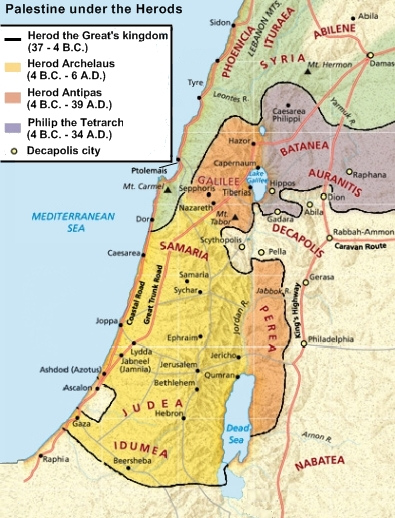
<span style="line-height:normal"><span style="font-family:&#039;Times New Roman&#039;,&#039;serif&#039;"><b>I. NƯỚC DO THÁI DƯỚI THỜI ĐẾ QUỐC RÔMA</b></span></span><br />
<br />
<img alt="" height="518" src="https://gpbanmethuot.net/uploads/news/2026_03/image-20260329175310-2.jpeg" width="395" /><br />
<br />
<span style="line-height:normal"><span style="font-family:&#039;Times New Roman&#039;,&#039;serif&#039;">Năm 63 tCN đánh dấu sự kết thúc nền độc lập của vương quốc Do Thái. Đại tướng Rôma Pompêi đã đem quân đánh chiếm Giêrusalem sau một cuộc bao vây kéo dài 3 tháng.</span></span><br />
<br />
<span style="line-height:normal"><span style="font-family:&#039;Times New Roman&#039;,&#039;serif&#039;">Nguyên nhân là do sự suy yếu của Nhà Hasmônê, dòng dõi của Máccabê.</span></span><br />
<span style="line-height:normal"><span style="font-family:&#039;Times New Roman&#039;,&#039;serif&#039;">Năm 167 tCN,&nbsp; nhà Macabê khởi nghĩa, người Do Thái giành được độc lập và lập nên triều đại Hasmônê. Tuy nhiên, sau khoảng 100 năm, triều đại này rơi vào khủng hoảng.</span></span><br />
<br />
<span style="line-height:normal"><span style="font-family:&#039;Times New Roman&#039;,&#039;serif&#039;">- Nội chiến huynh đệ tương tàn giữa hai anh em là Hircanô II và Aríttôlulô II tranh giành ngai vàng. Cuộc xung đột này đã làm kiệt quệ sức mạnh quốc gia.</span></span><br />
<br />
<span style="line-height:normal"><span style="font-family:&#039;Times New Roman&#039;,&#039;serif&#039;">- Trong cơn bế tắc, cả hai anh em đều sai sứ giả đến gặp tướng Pompêi, lúc đó đang ở Syri, để nhờ can thiệp và công nhận tính hợp pháp của mình. Đây là cái cớ tuyệt vời để Rôma bước chân vào nội bộ Do Thái.</span></span><br />
<br />
<span style="line-height:normal"><span style="font-family:&#039;Times New Roman&#039;,&#039;serif&#039;">- Pompêi chọn ủng hộ Hircanô II, người yếu thế hơn để dễ bề thao túng, và tấn công Aríttôlulô II đang cố thủ trong đền thờ Giêrusalem.</span></span><br />
<br />
<span style="line-height:normal"><span style="font-family:&#039;Times New Roman&#039;,&#039;serif&#039;">Sau khi chiếm Giêrusalem, Pompêi không xóa sổ vương quốc ngay lập tức. Ông biến Giuđê thành một quốc gia chư hầu phải nộp thuế cho Rôma nhưng vẫn được cai trị bởi một Thượng tế Do Thái là Hircanô II.</span></span><br />
<br />
<span style="line-height:normal"><span style="font-family:&#039;Times New Roman&#039;,&#039;serif&#039;">Trong thời gian này, gia tộc Hêrôđê, nguồn gốc Iđumê, không phải Do Thái thuần túy, đã khéo léo lấy lòng các hoàng đế Rôma. Năm 40 tCN, viện nguyên lão Rôma chính thức phong Hêrôđê Đại Đế (40 tCN-4 tCN) làm “Vua của người Do Thái”. Dù mang danh vua, nhưng quyền lực của ông hoàn toàn phụ thuộc vào Rôma. Đây chính là vị vua đã ra lệnh sát hại các hài nhi trong thời Chúa Giêsu sinh ra.</span></span><br />
<br />
<span style="line-height:normal"><span style="font-family:&#039;Times New Roman&#039;,&#039;serif&#039;"><b>II. THỐNG ĐỐC VÀ TỔNG TRẤN</b></span></span><br />
<br />
<span style="background:white"><span style="line-height:normal"><span style="font-family:&#039;Times New Roman&#039;,&#039;serif&#039;"><b>1. Phân cấp hành chính Rôma: Legatus với Prefect</b></span></span></span><br />
<br />
<span style="background:white"><span style="line-height:normal"><span style="font-family:&#039;Times New Roman&#039;,&#039;serif&#039;">Trong đế quốc Rôma, các vùng đất được chia thành các cấp bậc khác nhau dựa trên tầm quan trọng và sự ổn định:</span></span></span><br />
<br />
<span style="background:white"><span style="line-height:normal"><span style="font-family:&#039;Times New Roman&#039;,&#039;serif&#039;">- Thống đốc (Legatus Augusti pro praetore):&nbsp; Cai trị các tỉnh lớn, quan trọng (như Syri).</span></span></span><br />
<br />
<span style="background:white"><span style="line-height:normal"><span style="font-family:&#039;Times New Roman&#039;,&#039;serif&#039;">Là những người thuộc tầng lớp Thượng nghị sĩ (Senatorial class).</span></span></span><br />
<br />
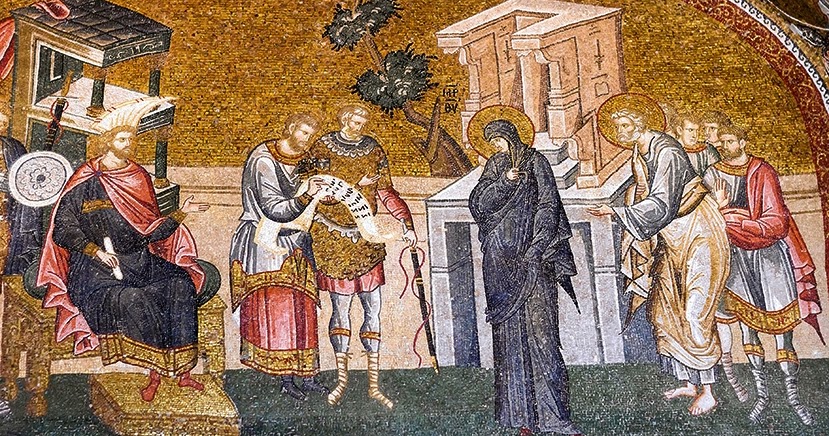
<span style="background:white"><span style="line-height:normal"><span style="font-family:&#039;Times New Roman&#039;,&#039;serif&#039;">Quirinô giữ chức vụ này. Ông có quyền chỉ huy các đại đội quân chủ lực (Legions). Syri là tỉnh “mẹ”, bao trùm cả vùng Giuđê và Samari…</span></span></span><br />
<br />
<span style="background:white"><span style="line-height:normal"><span style="font-family:&#039;Times New Roman&#039;,&#039;serif&#039;">- Tổng trấn (Prefect/Procurator):&nbsp; Cai trị các vùng nhỏ hơn, thường là tiểu vùng thuộc một tỉnh lớn như Giuđê.</span></span></span><br />
<br />
<span style="background:white"><span style="line-height:normal"><span style="font-family:&#039;Times New Roman&#039;,&#039;serif&#039;">Là những người thuộc tầng lớp Hiệp sĩ (Equites) - cấp bậc thấp hơn thượng nghị sĩ.</span></span></span><br />
<img alt="" height="316" src="https://gpbanmethuot.net/uploads/news/2026_03/image-20260329175310-3.jpeg" width="600" /><br />
<br />
<span style="background:white"><span style="line-height:normal"><span style="font-family:&#039;Times New Roman&#039;,&#039;serif&#039;">Philatô và Côpôniô giữ chức vụ này. Họ dưới quyền giám sát của thống đốc Syri.</span></span></span><br />
<br />
<span style="background:white"><span style="line-height:normal"><span style="font-family:&#039;Times New Roman&#039;,&#039;serif&#039;"><b>2. Tại sao Quirinô phải gọi là “Thống đốc”?</b></span></span></span><br />
<br />
<span style="background:white"><span style="line-height:normal"><span style="font-family:&#039;Times New Roman&#039;,&#039;serif&#039;">Trong nguyên bản Hy Lạp của Tin mừng Luca (Lc 2,2), từ được dùng là “hegemoneuontos” xuất phát từ hegemon. Nghĩa rộng có nghĩa là “người cai trị”, “người lãnh đạo” hoặc “người nắm quyền”.</span></span></span><br />
<br />
<span style="background:white"><span style="line-height:normal"><span style="font-family:&#039;Times New Roman&#039;,&#039;serif&#039;">Sao dịch là Tổng trấn? Các dịch giả Việt ngữ (như nhóm CGKPV…) chọn từ “Tổng trấn” để giúp người đọc dễ hình dung vị thế của một quan chức đại diện cho Hoàng đế Rôma tại một vùng thuộc địa.</span></span></span><br />
<br />
<span style="background:white"><span style="line-height:normal"><span style="font-family:&#039;Times New Roman&#039;,&#039;serif&#039;">Thực tế lịch sử vào thời điểm đó, chức danh chính thức của Quiriniô tại Syri là Legatus Augusti pro praetore / Khâm sai của Hoàng đế / Thống đốc. Cách dịch “Tổng trấn” là một sự chuyển ngữ mang tính tương đương chức nghiệp hơn là thuật ngữ hành chính chính xác của thời đó.</span></span></span><br />
<br />
<span style="background:white"><span style="line-height:normal"><span style="font-family:&#039;Times New Roman&#039;,&#039;serif&#039;">Quirinio (Publius Sulpicius Quirinius) là một chính khách và tướng lĩnh Rôma.<br />
Ông sinh khoảng 51 tCN, mất khoảng 21 sCN.</span></span></span><br />
<br />
<span style="background:white"><span style="line-height:normal"><span style="font-family:&#039;Times New Roman&#039;,&#039;serif&#039;">Quirinio từng chỉ huy nhiều chiến dịch quân sự ở Tiểu Á (Thổ Nhĩ Kỳ ngày nay).&nbsp;&nbsp;&nbsp;&nbsp;&nbsp; Đặc biệt nổi tiếng khi đàn áp bộ tộc Hômônađenxê &nbsp;khoảng 12–1 tCN, và lập lại trật tự cho Rôma ở vùng biên cương. Nhờ chiến công này, ông được hoàng đế Augúttô tin tưởng, trao nhiều chức vụ quan trọng.</span></span></span><br />
<br />
<span style="background:white"><span style="line-height:normal"><span style="font-family:&#039;Times New Roman&#039;,&#039;serif&#039;">Ông được bổ nhiệm làm ‘Thống đốc / legatus’ tỉnh Syri, một tỉnh rất quan trọng, vào khoảng năm 6 sau Công Nguyên. Với tư cách thống đốc, ông đã tổ chức cuộc kiểm tra dân số nhằm đánh thuế và kiểm soát dân chúng.</span></span></span><br />
<br />
<span style="background:white"><span style="line-height:normal"><span style="font-family:&#039;Times New Roman&#039;,&#039;serif&#039;">Quyền hạn của Quiriniô bao trùm cả Giuđê và Samari, nơi có Giêrusalem và Bêlem, dầu lúc này dưới quyền vua Hêrôđê Đại Đế nhưng vẫn nằm trong tầm giám sát của vị Legatus / Khâm sai tại Syri.</span></span></span><br />
<br />
<span style="background:white"><span style="line-height:normal"><span style="font-family:&#039;Times New Roman&#039;,&#039;serif&#039;">Theo cấu trúc hành chính Rôma, khi có những biến động lớn hoặc như kiểm tra dân số, vị quan cai trị Syri có thẩm quyền cao hơn các vua chư hầu địa phương như Hêrôđê.</span></span></span><br />
<br />
<span style="background:white"><span style="line-height:normal"><span style="font-family:&#039;Times New Roman&#039;,&#039;serif&#039;">Như vào năm 36 sCN, người Samari bị Philatô tàn sát khi đang tụ tập trên núi Garizim. Họ đã lên kêu oan với Vitêliô, vị thống đốc Syri, người kế nhiệm Quiriniô. Thống đốc Vitêliô đã cách chức và áp giải tổng trấn Philatô về Rôma để xét xử. Điều này chứng minh mối quan hệ “cấp trên - cấp dưới” rõ rệt.</span></span></span><br />
<br />
<span style="line-height:normal"><span style="font-family:&#039;Times New Roman&#039;,&#039;serif&#039;"><b>3. Tin mừng thánh Luca</b></span></span><br />
<br />
<span style="line-height:normal"><span style="font-family:&#039;Times New Roman&#039;,&#039;serif&#039;"><i>“Thời ấy, hoàng đế Au-gút-tô ra chiếu chỉ, truyền kiểm tra dân số trong khắp cả thiên hạ. Đây là cuộc kiểm tra đầu tiên, được thực hiện thời ông Qui-ri-ni-ô làm tổng trấn xứ Xy-ri. Ai nấy đều phải về nguyên quán mà khai tên tuổi.4 Bởi thế, ông Giu-se từ thành Na-da-rét, miền Ga-li-lê lên thành vua Đa-vít tức là Bê-lem, miền Giu-đê, vì ông thuộc gia đình dòng tộc vua Đa-vít. Khi hai người đang ở đó, thì bà Ma-ri-a đã tới ngày mãn nguyệt khai hoa. Bà sinh con trai đầu lòng, lấy tã bọc con, rồi đặt nằm trong máng cỏ, vì hai ông bà không tìm được chỗ trong nhà trọ.” (Lc 2, 1-7)</i></span></span><br />
<br />
<span style="line-height:normal"><span style="font-family:&#039;Times New Roman&#039;,&#039;serif&#039;">Có vài điều cần lưu ý:</span></span><br />
<br />
<span style="line-height:normal"><span style="font-family:&#039;Times New Roman&#039;,&#039;serif&#039;">Hêrôđê Đại Đế qua đời năm 4 tCN.</span></span><br />
<br />
<span style="line-height:normal"><span style="font-family:&#039;Times New Roman&#039;,&#039;serif&#039;">Lịch sử ghi nhận Quiriniô làm “Tổng trấn” Syri và thực hiện cuộc kiểm tra dân số nổi tiếng vào năm 6 sCN, khi Rôma phế truất Áckhêlao, con của Hêrôđê.</span></span><br />
<span style="line-height:normal"><span style="font-family:&#039;Times New Roman&#039;,&#039;serif&#039;">Khoảng cách giữa hai sự kiện này cách nhau khoảng 10 năm.</span></span><br />
<span style="line-height:normal"><span style="font-family:&#039;Times New Roman&#039;,&#039;serif&#039;">Các nhà giải thích Kinh Thánh đưa ra 2 hướng giải quyết:</span></span><br />
<br />
<span style="line-height:normal"><span style="font-family:&#039;Times New Roman&#039;,&#039;serif&#039;">- Lịch sử kép: Có bằng chứng khảo cổ cho thấy Quiriniô có thể đã phục vụ tại Syri hai lần. Lần thứ nhất vào khoảng năm 3-2 tCN với tư cách là một quan khâm sai quân sự đặc biệt. Thánh Luca có thể đang nhắc đến lần phục vụ đầu tiên này, trùng hợp với những năm cuối đời của Hêrôđê Đại Đế.</span></span><br />
<br />
<span style="line-height:normal"><span style="font-family:&#039;Times New Roman&#039;,&#039;serif&#039;">- Cách dịch thuật ngữ “đầu tiên”: Câu Lc 2, 2 có thể dịch là “Cuộc kiểm tra dân số này diễn ra trước khi Quiriniô làm tổng trấn Syri”. Từ ngữ Hy Lạp protos có thể được hiểu theo nghĩa “trước khi” thay vì “lần đầu tiên”.</span></span><br />
<br />
<span style="line-height:normal"><span style="font-family:&#039;Times New Roman&#039;,&#039;serif&#039;"><b>III. TỔNG TRẤN PHILATÔ</b></span></span><br />
<br />
<span style="line-height:normal"><span style="font-family:&#039;Times New Roman&#039;,&#039;serif&#039;"><b>1. Tổng trấn Phongxiô Philatô &nbsp;</b>(Pontius Pilatus, 26-36 sCN)</span></span><br />
<br />
<span style="line-height:normal"><span style="font-family:&#039;Times New Roman&#039;,&#039;serif&#039;">Tên đầy đủ là Phongxiô Philatô. Một quan chức Rôma, thuộc tầng lớp kỵ sĩ (không phải quý tộc cao nhất), được hoàng đế Tibêriô bổ nhiệm làm tổng trấn (praefectus) xứ Giuđê.</span></span><br />
<br />
<span style="line-height:normal"><span style="font-family:&#039;Times New Roman&#039;,&#039;serif&#039;">Thời gian cai trị khoảng 26-36 sau Công Nguyên.</span></span><br />
<br />
<span style="line-height:normal"><span style="font-family:&#039;Times New Roman&#039;,&#039;serif&#039;">Trụ sở tại Xêdarêa Maritima nên không ở Giêrusalem thường xuyên.</span></span><br />
<br />
<span style="line-height:normal"><span style="font-family:&#039;Times New Roman&#039;,&#039;serif&#039;">Philatô xuất hiện trong cả bốn Tin Mừng, sách Công vụ Tông đồ, trong thư của thánh Phaolô&nbsp;&nbsp;&nbsp;&nbsp; và cả trong Kinh Tin Kính: <i>“Chịu đóng đinh vào thập giá thời tổng trấn Phong-xi-ô Phi-la-tô.”</i></span></span><br />
<br />
<span style="line-height:normal"><span style="font-family:&#039;Times New Roman&#039;,&#039;serif&#039;">Điều này cho thấyđức tin Kitô giáo gắn chặt với lịch sử cụ thể, không phải huyền thoại.</span></span><br />
<br />
<span style="line-height:normal"><span style="font-family:&#039;Times New Roman&#039;,&#039;serif&#039;"><b>2. Nhiệm vụ</b></span></span><br />
<br />
<span style="line-height:normal"><span style="font-family:&#039;Times New Roman&#039;,&#039;serif&#039;">Là tổng trấn, Philatô có nhiệm vụ duy trì trật tự và an ninh, thu thuế cho Rôma, xét xử và tuyên án tử hình (ius gladii).</span></span><br />
<br />
<span style="line-height:normal"><span style="font-family:&#039;Times New Roman&#039;,&#039;serif&#039;">Dân Do Thái không có quyền xử tử, nên vụ án Chúa Giêsu bắt buộc phải đưa đến Philatô.</span></span><br />
<br />
<span style="line-height:normal"><span style="font-family:&#039;Times New Roman&#039;,&#039;serif&#039;"><b>3. Cai trị</b></span></span><br />
<br />
<span style="line-height:normal"><span style="font-family:&#039;Times New Roman&#039;,&#039;serif&#039;">Philatô là một nhà cai trị cứng rắn nhưng vụng về. Ông đã xúc phạm tôn giáo Do Thái, như sử gia Giôxêphô và Philô thành Alexandria kể:</span></span><br />
<br />
<span style="line-height:normal"><span style="font-family:&#039;Times New Roman&#039;,&#039;serif&#039;">- Ông đưa biểu tượng hoàng đế vào thành Giêrusalem gây nên phẫn nộ trong dân.</span></span><br />
<br />
<span style="line-height:normal"><span style="font-family:&#039;Times New Roman&#039;,&#039;serif&#039;">- Ông dùng tiền dâng cúng của Đền Thờ để xây kênh dẫn nước nên bị phản đối dữ dội.</span></span><br />
<br />
<span style="line-height:normal"><span style="font-family:&#039;Times New Roman&#039;,&#039;serif&#039;">- Ông thường đàn áp thô bạo các cuộc biểu tình cả khi dân chúng dâng của lễ trong Đền thờ (Lc 13,1).</span></span><br />
<br />
<span style="line-height:normal"><span style="font-family:&#039;Times New Roman&#039;,&#039;serif&#039;">Vì thế, Philatô bị dân Do Thái căm ghét, và Rôma cũng không hoàn toàn tin tưởng ông.</span></span><br />
<br />
<span style="line-height:normal"><span style="font-family:&#039;Times New Roman&#039;,&#039;serif&#039;">Cai trị một vùng đất nhạy cảm, dễ nổi loạn như Giuđê và Samari, nên áp lực chính trị rất lớn. Chỉ cần bạo động trong dịp lễ Vượt Qua, hay những dịp tập trung khác, Philatô có thể mất chức.</span></span><br />
<br />
<span style="line-height:normal"><span style="font-family:&#039;Times New Roman&#039;,&#039;serif&#039;">Đây là điều có thể hiểu vì sao ông biết Chúa Giêsu vô tội, nhưng vẫn kết án.</span></span><br />
<br />
<span style="line-height:normal"><span style="font-family:&#039;Times New Roman&#039;,&#039;serif&#039;"><b>4.</b> <b>Philatô &amp; Chúa Giêsu</b></span></span><br />
<br />
<span style="line-height:normal"><span style="font-family:&#039;Times New Roman&#039;,&#039;serif&#039;">Philatô nhận ra Chúa Giêsu vô tội. Ông tuyên bố ít nhất ba lần: <i>“Ta không thấy người này có tội gì.” (Lc 23,4)</i> Ông nhận ra Chúa Giêsu không phải là kẻ nổi loạn chính trị, không đe dọa trực tiếp Rôma.</span></span><br />
<br />
<span style="line-height:normal"><span style="font-family:&#039;Times New Roman&#039;,&#039;serif&#039;">Nhưng trước áp lực của giới lãnh đạo Do Thái và đám đông: <i>“Nếu ông thả người này, ông không phải là bạn của Xê-da!” (Ga 19,12) ,</i> Philatô đã rửa tay và trao Chúa Giêsu cho họ đóng đinh.</span></span><br />
<br />
<span style="line-height:normal"><span style="font-family:&#039;Times New Roman&#039;,&#039;serif&#039;">Đây là bi kịch của một người biết điều đúng nhưng không dám làm.</span></span><br />
<br />
<span style="line-height:normal"><span style="font-family:&#039;Times New Roman&#039;,&#039;serif&#039;"><b>5. Vợ Của Tổng Trấn Philatô</b></span></span><br />
<br />
<span style="line-height:normal"><span style="font-family:&#039;Times New Roman&#039;,&#039;serif&#039;">Bà được thánh Mátthêu nhắc đến trong cuộc xử án Chúa Giêsu (đoạn duy nhất tròn 4 Tin mừng):<i> “Khi ông Phi-la-tô đang ngồi xử án, vợ ông sai người đến nói với ông rằng: ‘Xin ông đừng can dự gì đến người công chính ấy, vì hôm nay tôi đã phải khổ sở nhiều trong giấc mộng vì Người.” (Mt 27, 19)</i></span></span><br />
<br />
<span style="line-height:normal"><span style="font-family:&#039;Times New Roman&#039;,&#039;serif&#039;">Đây là lời cảnh báo duy nhất dành cho Philatô, phát xuất không từ Do Thái giáo hay từ các môn đệ, mà từ chính gia đình của ông, một người dân ngoại.</span></span><br />
<br />
<span style="line-height:normal"><span style="font-family:&#039;Times New Roman&#039;,&#039;serif&#039;">Tin Mừng không cho biết tên bà nhưng từ thế kỷ II-III, truyền thống Kitô giáo gọi bà là Clauđia Prôcula hoặc Prokla.</span></span><br />
<br />
<span style="line-height:normal"><span style="font-family:&#039;Times New Roman&#039;,&#039;serif&#039;">Nhiều sử gia cho rằng bà là con cháu của dòng họ Clauđia danh giá tại Rôma, thậm chí có ý kiến cho rằng bà có mối liên hệ huyết thống với hoàng gia (có thể là con cháu của Hoàng đế Tibêriô). Điều này giải thích tại sao bà có sức ảnh hưởng và dám can thiệp vào việc xét xử của chồng, bởi vì chính quyền Rôma cấm các quan chức không được đưa vợ đi theo, sợ rằng họ có thể can thiệp vào các công việc hành chánh.</span></span><br />
<br />
<span style="line-height:normal"><span style="font-family:&#039;Times New Roman&#039;,&#039;serif&#039;">Tên gọi Clauđia xuất hiện trong các văn bản Kitô giáo ngoài Kinh Thánh và truyền thống Đông phương.</span></span><br />
<br />
<span style="line-height:normal"><span style="font-family:&#039;Times New Roman&#039;,&#039;serif&#039;">Giấc mộng của bà có ý nghĩa gì?</span></span><br />
<br />
<span style="line-height:normal"><span style="font-family:&#039;Times New Roman&#039;,&#039;serif&#039;">Trong Kinh Thánh, “giấc mộng” rất quan trọng. Trong Tin Mừng Mátthêu thuật lại thánh Giuse được báo mộng (Mt 1–2), các nhà chiêm tinh được báo mộng (Mt 2, 12), và vợ Philatô cũng được báo mộng.</span></span><br />
<br />
<span style="line-height:normal"><span style="font-family:&#039;Times New Roman&#039;,&#039;serif&#039;">Điều này cho thấy Thiên Chúa vẫn lên tiếng, ngay cả trong phủ tổng trấn ngoại giáo.</span></span><br />
<br />
<span style="line-height:normal"><span style="font-family:&#039;Times New Roman&#039;,&#039;serif&#039;">Sau khi rời khỏi Giêrusalem, truyền thống Giáo hội Đông phương tin rằng bà cảm phục Chúa Giêsu, đã hoán cải. Bà được coi là một trong những người ngoại giáo đầu tiên tin vào Chúa.</span></span><br />
<br />
<span style="line-height:normal"><span style="font-family:&#039;Times New Roman&#039;,&#039;serif&#039;">Trong Giáo hội Chính Thống giáo phương Đông và Giáo hội Êthiopia, bà được tôn phong là Thánh Clauđia Prôcula, lễ kính vào ngày 27/10. Họ nhìn nhận bà là tiếng nói duy nhất của công lý bảo vệ Chúa Giêsu giữa phiên tòa đầy rẫy sự gian dối.</span></span><br />
<br />
<span style="line-height:normal"><span style="font-family:&#039;Times New Roman&#039;,&#039;serif&#039;"><b>6. Cái chết và kết cục của Philatô</b></span></span><br />
<br />
<span style="line-height:normal"><span style="font-family:&#039;Times New Roman&#039;,&#039;serif&#039;">Khoảng năm 36 sCN, Philatô đàn áp đẫm máu một nhóm người Samari tụ tập trên núi Garizim này để tìm các bảo vật mà họ tin là ông Môsê đã chôn giấu. Sự kiện này làm dân chúng phẫn nộ và tố cáo lên thống đốc Syri Vitêliô.</span></span><br />
<br />
<span style="line-height:normal"><span style="font-family:&#039;Times New Roman&#039;,&#039;serif&#039;">Ông bị cách chức và triệu hồi về Rôma giải trình.</span></span><br />
<br />
<span style="line-height:normal"><span style="font-family:&#039;Times New Roman&#039;,&#039;serif&#039;">Từ đây, lịch sử không ghi chép rõ ràng về cái chết của ông.</span></span><br />
<br />
<span style="line-height:normal"><span style="font-family:&#039;Times New Roman&#039;,&#039;serif&#039;">Có truyền thống nói ông sống lưu đày hoặc tự sát, và cả trở lại đạo và được tôn phong như một vị thánh.</span></span><br />
<br />
<span style="line-height:normal"><span style="font-family:&#039;Times New Roman&#039;,&#039;serif&#039;">Từ thế kỷ II-IV, xuất hiện nhiều truyền thống khác nhau, phản ánh cách các cộng đoàn Kitô hữu suy tư thần học hơn là lịch sử chính xác.</span></span><br />
<br />
<span style="line-height:normal"><span style="font-family:&#039;Times New Roman&#039;,&#039;serif&#039;"><b>a</b>. <b>Philatô tự sát</b></span></span><br />
<br />
<span style="line-height:normal"><span style="font-family:&#039;Times New Roman&#039;,&#039;serif&#039;">Theo Êuxêbiô thành Xêdarêa (Eusebius thành Caesarea, thế kỷ IV), Philatô bị thất sủng nặng nề,&nbsp; phải sống lưu đày, và tự sát trong tuyệt vọng.</span></span><br />
<br />
<span style="line-height:normal"><span style="font-family:&#039;Times New Roman&#039;,&#039;serif&#039;">Truyền thống này được kể lại rộng rãi ở phương Tây.</span></span><br />
<br />
<span style="line-height:normal"><span style="font-family:&#039;Times New Roman&#039;,&#039;serif&#039;">Điều này nói lên người rửa tay trước trách nhiệm cuối cùng không thoát được lương tâm.</span></span><br />
<br />
<span style="line-height:normal"><span style="font-family:&#039;Times New Roman&#039;,&#039;serif&#039;"><b>b. Philatô bị xử tử hoặc chết lưu đày</b></span></span><br />
<br />
<span style="line-height:normal"><span style="font-family:&#039;Times New Roman&#039;,&#039;serif&#039;">sau này, có một số nguồn cho rằng ông bị hoàng đế kết án, hoặc chết trong cảnh lưu đày khổ cực.</span></span><br />
<br />
<span style="line-height:normal"><span style="font-family:&#039;Times New Roman&#039;,&#039;serif&#039;">Tuy nhiên, không có chứng cứ độc lập mạnh.</span></span><br />
<br />
<span style="line-height:normal"><span style="font-family:&#039;Times New Roman&#039;,&#039;serif&#039;"><b>c. Truyền thống Đông phương (rất đặc biệt)</b></span></span><br />
<br />
<span style="line-height:normal"><span style="font-family:&#039;Times New Roman&#039;,&#039;serif&#039;">Trong một số Giáo Hội Đông phương cổ (nhất là Ethiopia) cho rằng Philatô và vợ ông Prôcula được nhìn như những người ăn năn sám hối, thậm chí được kính nhớ (điều này không thuộc truyền thống Công giáo Rôma).</span></span><br />
<br />
<span style="line-height:normal"><span style="font-family:&#039;Times New Roman&#039;,&#039;serif&#039;">Truyền thống này dựa vào Tin mừng Mt 27, 19: vợ Philatô cảnh báo về “người công chính”, và thái độ do dự của Philatô.</span></span><br />
<br />
<span style="line-height:normal"><span style="font-family:&#039;Times New Roman&#039;,&#039;serif&#039;">Đây là cách đọc thần học - mục vụ, không phải sử học.</span></span><br />
<br />
<span style="line-height:normal"><span style="font-family:&#039;Times New Roman&#039;,&#039;serif&#039;"><b>IV.</b> <b>TỔNG TRẤN PHÊLÍCH &amp; PHÉTTÔ</b></span></span><br />
<br />
<span style="line-height:normal"><span style="font-family:&#039;Times New Roman&#039;,&#039;serif&#039;">Kinh Thánh còn nhắc tới&nbsp; tổng trấn Phêlích &amp; Phéttô.</span></span><br />
<br />
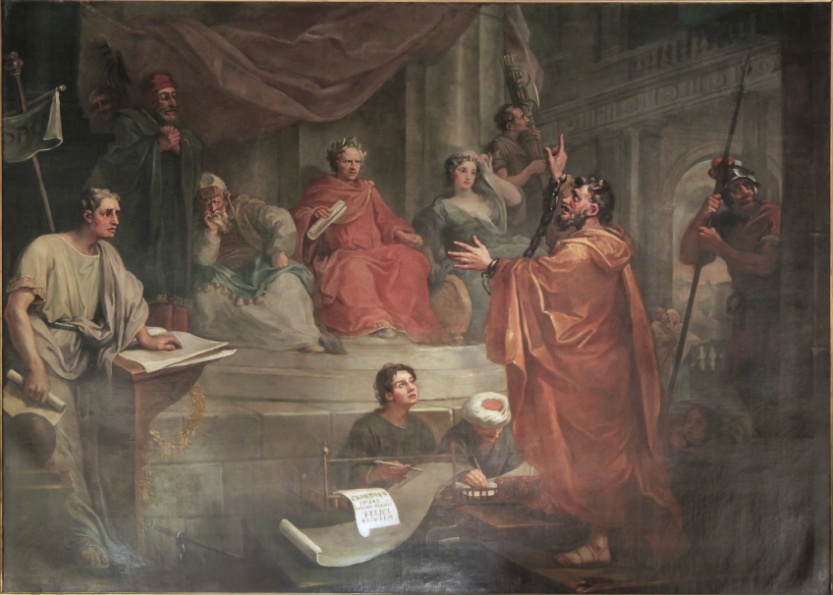
<span style="line-height:normal"><span style="font-family:&#039;Times New Roman&#039;,&#039;serif&#039;"><b>1. Tổng trấn Antôniô Phêlích </b>(Antonius Felix, 52-59)</span></span><br />
<img alt="" height="370" src="https://gpbanmethuot.net/uploads/news/2026_03/image-20260329175310-4.jpeg" width="517" /><span style="line-height:normal"><span style="font-family:&#039;Times New Roman&#039;,&#039;serif&#039;"> &nbsp;<br />
Antôniô Phêlích là tổng trấn Rôma cai trị&nbsp;Giuđê từ khoảng 52-59 sCN. Ông xuất thân rất thấp, ông&nbsp;cùng với anh trai là Pallas, nô lệ trong gia đình của bà Antonia, mẹ của Hoàng đế Clauđiô, sau được giải phóng và nhờ quan hệ mà lên chức.</span></span><br />
<br />
<span style="line-height:normal"><span style="font-family:&#039;Times New Roman&#039;,&#039;serif&#039;">Sử gia&nbsp;Tacitô&nbsp;nhận xét rất nặng rằng <i>“Ông cai trị với tâm hồn của một nô lệ nhưng quyền lực của một bạo chúa.”</i></span></span><br />
<br />
<span style="line-height:normal"><span style="font-family:&#039;Times New Roman&#039;,&#039;serif&#039;">- Ông Phêlích nổi tiếng tham nhũng, bạo lực, dùng đàn áp để giữ trật tự, nhưng lại&nbsp;bất lực trước các phong trào nổi loạn.</span></span><br />
<br />
<span style="line-height:normal"><span style="font-family:&#039;Times New Roman&#039;,&#039;serif&#039;">Dưới thời ông các nhóm quá khích Do Thái (tiền thân Nhiệt Thành) gia tăng và xã hội bất ổn trầm trọng.</span></span><br />
<br />
<span style="line-height:normal"><span style="font-family:&#039;Times New Roman&#039;,&#039;serif&#039;">- &nbsp;Ông Phêlích được thánh Luca nhắc tới trong Cv 23 - 24. Sau khi Phaolô bị bắt ở Giêrusalem, ông được giải về&nbsp;Xêdarê&nbsp;để xét xử trước Phêlích.</span></span><br />
<br />
<span style="line-height:normal"><span style="font-family:&#039;Times New Roman&#039;,&#039;serif&#039;">Phêlích nghe Phaolô nói về công chính, tiết độ và phán xét&nbsp;(Cv 24, 25). Ông sợ hãi, nhưng không hoán cải.</span></span><br />
<br />
<span style="line-height:normal"><span style="font-family:&#039;Times New Roman&#039;,&#039;serif&#039;">Lý do chính là ông&nbsp;hy vọng Phaolô hối lộ&nbsp;(Cv 24, 26).</span></span><br />
<br />
<span style="line-height:normal"><span style="font-family:&#039;Times New Roman&#039;,&#039;serif&#039;">Ông giam Phaolô suốt 2 năm, không xét xử dứt khoát, để “lấy lòng người Do Thái” (Cv 24, 27).</span></span><br />
<br />
<span style="line-height:normal"><span style="font-family:&#039;Times New Roman&#039;,&#039;serif&#039;">Ông kết hôn với Đơruxila, con gái của vua Hêrôđê Ácríppa I (bà đã bỏ người chồng trước để lấy ông). Cuộc hôn nhân này giúp ông củng cố địa vị nhưng lại gây phẫn nộ cho người Do Thái vì vi phạm lề luật của họ.</span></span><br />
<br />
<span style="line-height:normal"><span style="font-family:&#039;Times New Roman&#039;,&#039;serif&#039;">- Khoảng&nbsp;năm 59 SCN, Phêlích bị tố cáo vì cai trị tàn bạo, và bị triệu hồi về Rôma. Nhờ anh Panlát (Pallas),&nbsp;thân cận hoàng đế, nên ông&nbsp;thoát án chết.</span></span><br />
<img alt="" height="360" src="https://gpbanmethuot.net/uploads/news/2026_03/image-20260329175310-5.jpeg" width="480" /><br />
<br />
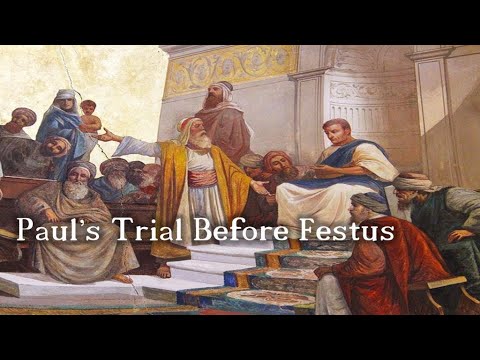
<span style="line-height:normal"><span style="font-family:&#039;Times New Roman&#039;,&#039;serif&#039;"><b>2 . Tổng trấn Pôxiô Phéttô </b>(Porcius Festus, 59-62)</span></span><br />
<br />
<span style="line-height:normal"><span style="font-family:&#039;Times New Roman&#039;,&#039;serif&#039;">- Pôxiô Phéttô kế nhiệm Phêlích, cai trị&nbsp;Giuđê khoảng 59-62 SCN.</span></span><br />
<br />
<span style="line-height:normal"><span style="font-family:&#039;Times New Roman&#039;,&#039;serif&#039;">Sử liệu đánh giá công bằng hơn, có thiện chí lập lại trật tự, nhưng thời gian cai trị&nbsp;rất ngắn.</span></span><br />
<br />
<span style="line-height:normal"><span style="font-family:&#039;Times New Roman&#039;,&#039;serif&#039;">- Phéttô được thánh sử Luca nhắc tới trong Cv 25-26. Khi vừa nhậm chức người Do Thái yêu cầu đưa Phaolô về Giêrusalem để giết ông dọc đường. Ông Phéttô từ chối âm mưu này và mở phiên tòa tại Xêdarê.</span></span><br />
<br />
<span style="line-height:normal"><span style="font-family:&#039;Times New Roman&#039;,&#039;serif&#039;">Nhưng vì áp lực chính trị, muốn làm vừa lòng người Do Thái, nên ông Phéttô hỏi Phaolô: <i>“Ông có muốn lên Giêrusalem chịu xét xử không?”</i></span></span><br />
<br />
<span style="line-height:normal"><span style="font-family:&#039;Times New Roman&#039;,&#039;serif&#039;">Phaolô kháng cáo lên Xêda&nbsp;(Cv 25, 11). Đây là bước ngoặt Tin Mừng&nbsp;từ Giuđê tiến thẳng về Rôma.</span></span><br />
<br />
<span style="line-height:normal"><span style="font-family:&#039;Times New Roman&#039;,&#039;serif&#039;">- Ông Phéttô thừa nhận không tìm thấy tội gì đáng chết nơi Phaolô, nhưng&nbsp;không hiểu các tranh luận tôn giáo Do Thái. Ông nói <i>“Họ chỉ có vài tranh luận về tôn giáo riêng của họ…”</i> Cv 25, 19:</span></span><br />
<br />
<span style="line-height:normal"><span style="font-family:&#039;Times New Roman&#039;,&#039;serif&#039;">- Có lẽ&nbsp;ông qua đời khi đang tại chức&nbsp;(khoảng 62 SCN), để lại hình ảnh một quan chức&nbsp;ngay thẳng hơn Phêlích,&nbsp; nhưng&nbsp;không đi xa hơn sự trung lập.</span></span><br />
<br />
<span style="line-height:normal"><span style="font-family:&#039;Times New Roman&#039;,&#039;serif&#039;"><b>V. NHỮNG TỔNG TRẤN KINH THÁNH KHÔNG NHẮC ĐẾN</b></span></span><br />
<br />
<span style="line-height:normal"><span style="font-family:&#039;Times New Roman&#039;,&#039;serif&#039;">Sau khi Hêrôđê Đại Đế băng hà (năm 4 tCN), vương quốc của ông được chia cho ba người con trai. Áckhêlao nhận phần đất quan trọng nhất gồm Giuđê, Samari và Iđumê với tước hiệu là “Quận vương” (Ethnarch).</span></span><br />
<br />
<span style="line-height:normal"><span style="font-family:&#039;Times New Roman&#039;,&#039;serif&#039;">Tuy nhiên, Áckhêlao cai trị cực kỳ tàn bạo và kém cỏi, gây ra nhiều cuộc bạo loạn. Đến năm 6 sCN, sự kiên nhẫn của Rôma đã cạn kiệt. Sau khi nghe người Do Thái và người Samari đến Rôma để tố cáo sự bạo ngược của Áckhêlao, Hoàng đế Augúttô đã quyết định phế truất Áckhêlao và đày ông sang vùng Vienne (Gaul, nay thuộc Pháp).</span></span><br />
<br />
<span style="line-height:normal"><span style="font-family:&#039;Times New Roman&#039;,&#039;serif&#039;">Hoàng đế xóa bỏ chế độ chư hầu tại vùng Giuđê và Samari.</span></span><br />
<br />
<span style="line-height:normal"><span style="font-family:&#039;Times New Roman&#039;,&#039;serif&#039;">Chuyển đổi vùng đất này thành một tỉnh của Rôma, thuộc quyền giám sát của Thống đốc Syri.</span></span><br />
<br />
<span style="line-height:normal"><span style="font-family:&#039;Times New Roman&#039;,&#039;serif&#039;">Để cai trị trực tiếp vùng Giuđê và Samari, hoàng đế Augúttô đã cử Côpôniô, thuộc tầng lớp Hiệp sĩ (Equites), sang làm vị Tổng trấn (Prefect) đầu tiên.</span></span><br />
<br />
<span style="line-height:normal"><span style="font-family:&#039;Times New Roman&#039;,&#039;serif&#039;"><b>1. Tổng trấn Côpôniô &nbsp;</b>(Coponius, 6-9 sCN)</span></span><br />
<br />
<span style="line-height:normal"><span style="font-family:&#039;Times New Roman&#039;,&#039;serif&#039;">Côpôniô là tổng trấn đầu tiên của Giuđê. Ông cùng với Quiriniô tổ chức kiểm tra dân số, và đánh thuế trực tiếp. Điều này dẫn đến sự bất mãn sâu sắc của người Do Thái đối với Rôma và tạo nên cuộc khởi nghĩa của Giuđa người Galilê (Cv 5,37).</span></span><br />
<br />
<span style="line-height:normal"><span style="font-family:&#039;Times New Roman&#039;,&#039;serif&#039;"><b>&nbsp;2. Tổng trấn &nbsp;Máccô Ambivulô </b>(Marcus Ambivulus, 9-12 sCN)</span></span><br />
<br />
<span style="line-height:normal"><span style="font-family:&#039;Times New Roman&#039;,&#039;serif&#039;">Ông cai trị khá êm ả, ít biến cố lớn. Nhưng các nhóm chống Rôma vẫn âm thầm phát triển.</span></span><br />
<br />
<span style="line-height:normal"><span style="font-family:&#039;Times New Roman&#039;,&#039;serif&#039;"><b>3. Tổng trấn Anniô Ruphô </b>(Annius Rufus,<b> </b>12-15 sCN)</span></span><br />
<br />
<span style="line-height:normal"><span style="font-family:&#039;Times New Roman&#039;,&#039;serif&#039;">Trùng với giai đoạn cuối đời hoàng đế Augúttô, và đầu triều Tibêriô.</span></span><br />
<br />
<span style="line-height:normal"><span style="font-family:&#039;Times New Roman&#039;,&#039;serif&#039;">Thời gian ông cai trị không có gì nổi bật nhưng bất ổn xã hội tiếp tục tích tụ.</span></span><br />
<br />
<span style="line-height:normal"><span style="font-family:&#039;Times New Roman&#039;,&#039;serif&#039;"><b>4. Tổng trấn Valêriô Gratô </b>(Valerius Gratus, 15-26 sCN)</span></span><br />
<br />
<span style="line-height:normal"><span style="font-family:&#039;Times New Roman&#039;,&#039;serif&#039;">Ông cai trị lâu nhất trước Philatô (11 năm). Ông nổi tiếng liên tục thay đổi thượng tế Do Thái, và can thiệp sâu vào Đền Thờ. Nhưng chính ông bổ nhiệm Caipha làm thượng tế vào năm 18 sCN, người giữ chức suốt thời Chúa Giêsu hoạt động.</span></span><br />
<br />
<span style="line-height:normal"><span style="font-family:&#039;Times New Roman&#039;,&#039;serif&#039;">Vì vậy, có thể giải thích vì sao giới lãnh đạo tôn giáo lệ thuộc mạnh vào Rôma khi xét xử Chúa Giêsu.</span></span><br />
<br />
<span style="line-height:115%"><span style="font-family:&#039;Times New Roman&#039;,&#039;serif&#039;"><b><span style="line-height:115%">&nbsp;5.<i> Tổng trấn Phongxiô Philatô&nbsp; </i></span></b><i><span style="line-height:115%">(Pontius Pilatus, 26-36 sCN)</span></i><br />
<br />
<span style="line-height:115%">Người xử án và quyết định đóng đinh Chúa Giêsu.</span></span></span><br />
<br />
<span style="line-height:normal"><span style="font-family:&#039;Times New Roman&#039;,&#039;serif&#039;"><b>6. Tổng trấn Mácxenlô </b>(Marcellus, 36–37 sCN)<br />
<br />
Được Vitêliô bổ nhiệm tạm thời ngay sau khi Philatô bị giải đi.</span></span><br />
<br />
<span style="line-height:normal"><span style="font-family:&#039;Times New Roman&#039;,&#039;serif&#039;"><b>7. Tổng trấn Marullô </b>(Marullus, 37–41 sCN)<br />
<br />
Cai trị dưới thời Hoàng đế Caligula. Đây là thời kỳ căng thẳng tột độ khi Caligula đòi dựng tượng mình trong Đền Thờ.</span></span><br />
<br />
<span style="line-height:normal"><span style="font-family:&#039;Times New Roman&#039;,&#039;serif&#039;"><b>8.<i> Vua Hêrôđê Agrippa I</i></b> (41–44 sCN)<br />
Rôma tạm dừng chế độ Tổng trấn, trao quyền cai trị toàn vùng cho Agrippa I (cháu nội Hêrôđê Đại Đế). Đây là vị vua đã chém đầu tông đồ Giacôbê (Cv 12,1-2).</span></span><br />
<br />
<span style="line-height:normal"><span style="font-family:&#039;Times New Roman&#039;,&#039;serif&#039;"><b>9. Tổng trấn Cútxpiô Phađô </b>(Cuspius Fadus, 44-46 sCN)<br />
<br />
Đàn áp cuộc nổi dậy của Thêuđa (người tự xưng là ngôn sứ).</span></span><br />
<br />
<span style="line-height:normal"><span style="font-family:&#039;Times New Roman&#039;,&#039;serif&#039;"><b>10. Tổng trấn Tibêriô Alêxanđrô </b>(Tiberius Alexander, 46-48 sCN)<br />
<br />
Một người Do Thái bỏ đạo, cháu của triết gia Philo. Cai trị trong thời kỳ nạn đói lớn (Cv 11,28).</span></span><br />
<br />
<span style="line-height:normal"><span style="font-family:&#039;Times New Roman&#039;,&#039;serif&#039;"><b>11. Tổng trấn Ventiđiô Cumanô </b>(Ventidius Cumanus,<b> </b>48-52 sCN)<br />
<br />
Xung đột Do Thái - Samari: Một nhóm người Galilê đi qua Samari bị giết, Cumanus nhận hối lộ để làm ngơ, dẫn đến bạo loạn đẫm máu. Ông bị phế truất vì việc này.</span></span><br />
<br />
<span style="line-height:normal"><span style="font-family:&#039;Times New Roman&#039;,&#039;serif&#039;"><b>12.<i> Tổng trấn Antôniô Phêlích </i></b><i>(Antonius Felix, 52-60 sCN)</i><br />
<br />
Xuất thân là nô lệ được phóng thích. Giam giữ Tông đồ Phaolô tại Xêdarê &nbsp;(Cv 23-24). Cực kỳ tàn bạo và tham nhũng.</span></span><br />
<br />
<span style="line-height:normal"><span style="font-family:&#039;Times New Roman&#039;,&#039;serif&#039;"><b>13.<i> Tổng trấn Pôxiô Phéttô </i></b><i>(Porcius Festus, </i>60-62 sCN)<br />
<br />
Người xét xử tiếp theo của Thánh Phaolô, cho phép Phaolô kháng cáo lên Xêda (Cv 25).</span></span><br />
<br />
<span style="line-height:normal"><span style="font-family:&#039;Times New Roman&#039;,&#039;serif&#039;">Sau ông Phéttô, Giuđê bước vào thời kỳ rất bất ổn, với các tổng trấn kém năng lực và tàn bạo, là nguyên nhân trực tiếp dẫn đến chiến tranh.</span></span><br />
<br />
<span style="line-height:normal"><span style="font-family:&#039;Times New Roman&#039;,&#039;serif&#039;"><b>14. Tổng trấn Luxêgiô Anbinô </b>(Lucceius Albinus,<b> </b>62-64 sCN<b>)</b></span></span><br />
<br />
<span style="line-height:normal"><span style="font-family:&#039;Times New Roman&#039;,&#039;serif&#039;">Tổng trấn Luxêgiô Anbinô kế nhiệm Phéttô, cai trị từ 62-64 sCN. Ông bị sử gia Giôxêphô phê phán nặng là tham nhũng, nhận hối lộ để thả tù, và làm rối loạn trật tự xã hội.</span></span><br />
<br />
<span style="line-height:normal"><span style="font-family:&#039;Times New Roman&#039;,&#039;serif&#039;">Thời ông bạo lực gia tăng, các nhóm cực đoan Do Thái (Nhiệt Thành, Sicarii) mạnh lên.</span></span><br />
<br />
<span style="line-height:normal"><span style="font-family:&#039;Times New Roman&#039;,&#039;serif&#039;"><b>15. Tổng trấn Gétxiô Phlôrô </b>(Gessius Florus, 64–66 sCN)</span></span><br />
<br />
<span style="line-height:normal"><span style="font-family:&#039;Times New Roman&#039;,&#039;serif&#039;">Tổng trấn Gétxiô Phlôrô cai trị từ năm 64–66 sCN.</span></span><br />
<br />
<span style="line-height:normal"><span style="font-family:&#039;Times New Roman&#039;,&#039;serif&#039;">Nhân vật then chốt dẫn đến chiến tranh bị coi là tổng trấn tồi tệ nhất trong lịch sử Giuđê.</span></span><br />
<br />
<span style="line-height:normal"><span style="font-family:&#039;Times New Roman&#039;,&#039;serif&#039;">Hành động nổi tiếng của ông là cướp tiền Đền Thờ, đàn áp dã man dân chúng, và khiêu khích tôn giáo nghiêm trọng.</span></span><br />
<br />
<span style="line-height:normal"><span style="font-family:&#039;Times New Roman&#039;,&#039;serif&#039;">Sử gia Giôxêphô viết: “<i>Florus hành xử như muốn buộc người Do Thái phải nổi loạn.”</i></span></span><br />
<br />
<span style="line-height:normal"><span style="font-family:&#039;Times New Roman&#039;,&#039;serif&#039;">Năm 66 sCN dân Do Thái chính thức nổi dậy chống Rôma.&nbsp;</span></span><br />
<br />
<span style="line-height:normal"><span style="font-family:&#039;Times New Roman&#039;,&#039;serif&#039;">Cuộc Chiến tranh Do Thái – Rôma lần thứ nhất bùng nổ.</span></span><br />
<br />
<span style="line-height:normal"><span style="font-family:&#039;Times New Roman&#039;,&#039;serif&#039;">Khi chiến tranh nổ ra không còn “tổng trấn” nữa.</span></span><br />
<br />
<span style="line-height:normal"><span style="font-family:&#039;Times New Roman&#039;,&#039;serif&#039;">Từ nay, đế quốc Rôma gửi các tướng đến.</span></span><br />
<br />
<span style="line-height:normal"><span style="font-family:&#039;Times New Roman&#039;,&#039;serif&#039;"><b>VI . CÁC TƯỚNG QUÂN RÔMA</b></span></span><br />
<br />
<span style="line-height:normal"><span style="font-family:&#039;Times New Roman&#039;,&#039;serif&#039;">Tướng Vếtpaxianô (Vespasian, 66–69 sCN) được hoàng đế Nêrô cử đến dẹp loạn. Chinh phục gần hết miền Giuđê.</span></span><br />
<br />
<span style="line-height:normal"><span style="font-family:&#039;Times New Roman&#039;,&#039;serif&#039;">Năm 69 sCN, được tôn làm hoàng đế Rôma. Ông sai người con là Titô tiếp tục chiến dịch.</span></span><br />
<br />
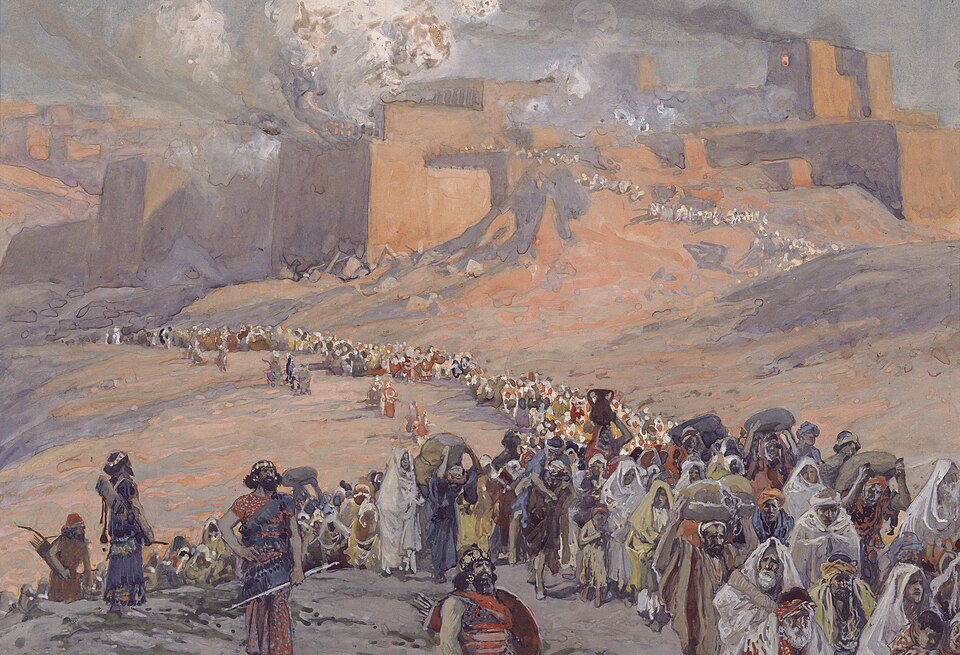
<span style="line-height:normal"><span style="font-family:&#039;Times New Roman&#039;,&#039;serif&#039;">Năm 70 sCN thành Giêrusalem thất thủ. Đền Thờ bị phá hủy hoàn toàn.</span></span><br />
<br />
<span style="line-height:normal"><span style="font-family:&#039;Times New Roman&#039;,&#039;serif&#039;">Đây là biến cố chấn động nhất lịch sử Do Thái, và là bối cảnh quan trọng để hiểu các Tin Mừng được biên soạn.</span></span><br />
<br />
<span style="line-height:normal"><span style="font-family:&#039;Times New Roman&#039;,&#039;serif&#039;"><b>VII . THÀNH GIÊRUSALEM THẤT THỦ</b></span></span><br />
<br />
<span style="line-height:normal"><span style="font-family:&#039;Times New Roman&#039;,&#039;serif&#039;">Cuộc chiến giữa quốc gia Do thái và đế quốc Rôma lần thứ nhất kết thúc năm 73 sCN với sự thất thủ của pháo đài Masađa.</span></span><br />
<br />
<span style="line-height:normal"><span style="font-family:&#039;Times New Roman&#039;,&#039;serif&#039;">Sau năm 70 sCN, Đền Thờ Giêrusalem bị phá hủy. Người Do Thái mất trung tâm tôn giáo, mất quyền tự trị, và sống dưới ách Rôma.</span></span><br />
<br />
<span style="line-height:normal"><span style="font-family:&#039;Times New Roman&#039;,&#039;serif&#039;">Tuy vậy, họ chưa từ bỏ hy vọng phục quốc, các phong trào Đấng Mêsia tiếp tục âm ỉ.</span></span><br />
<img alt="" height="341" src="https://gpbanmethuot.net/uploads/news/2026_03/image-20260329175310-6.jpeg" width="500" /><br />
<span style="line-height:normal"><span style="font-family:&#039;Times New Roman&#039;,&#039;serif&#039;">Bar Kokhba, tên thật là Simon bar Kosiba được rabbi Akiva tôn xưng là “Bar Kokhba”, nghĩa là “Con của ngôi sao” (Ds 24, 17). Ông được coi là Mêsia quân sự, người sẽ đánh bại Rôma, tái lập vương quốc Do Thái, và xây lại Đền Thờ.</span></span><br />
<span style="line-height:normal"><span style="font-family:&#039;Times New Roman&#039;,&#039;serif&#039;">Năm 132, cuộc khởi nghĩa bùng nổ. Người Do Thái chiếm lại Giêrusalem trong thời gian ngắn, lập chính quyền độc lập, và đúc tiền riêng.</span></span><br />
<br />
<span style="line-height:normal"><span style="font-family:&#039;Times New Roman&#039;,&#039;serif&#039;">Nhưng Rôma phản công cực kỳ tàn bạo. Hoàng đế Hadrian huy động quân đội khắp đế quốc để lập lại trật tự tại Giuđê.</span></span><br />
<br />
<span style="line-height:normal"><span style="font-family:&#039;Times New Roman&#039;,&#039;serif&#039;">Cuộc khởi nghĩa bị dập tắt hoàn toàn vào năm 135 sCN. Hậu quả là hàng trăm nghìn người Do Thái bị giết hoặc bán làm nô lệ, làng mạc bị san bằng, và giới lãnh đạo tôn giáo bị tiêu diệt.</span></span><br />
<br />
<span style="line-height:normal"><span style="font-family:&#039;Times New Roman&#039;,&#039;serif&#039;">Sau cuộc chiến này, Rôma cấm người Do thái đặt chân vào Giêrusalem trừ một ngày trong năm. Họ đổi tên Giêrusalem thành Aelia Capitolina và đổi tên vùng đất Giuđê thành Syri Paléttina.</span></span><br />
<br />
<span style="line-height:normal"><span style="font-family:&#039;Times New Roman&#039;,&#039;serif&#039;">Từ đây người Do Thái bắt đầu thời kỳ lưu vong kéo dài gần 2.000 năm cho tới tận thế kỷ XX.</span></span><br />
<br />
<span style="line-height:normal"><span style="font-family:&#039;Times New Roman&#039;,&#039;serif&#039;">Lời Chúa Giêsu đã ứng nghiệm:<i> “Không còn tảng đá nào trên tảng đá nào” (Mc 13,2).</i></span></span><br />
<br />
<span style="line-height:normal"><span style="font-family:&#039;Times New Roman&#039;,&#039;serif&#039;"><b><i>Thánh Maria Đức Mẹ Chúa trời cầu cho chúng con …</i></b></span></span></span></span><br />
&nbsp;
<div style="text-align: right;"><span style="color:rgb(192, 57, 43);"><span style="font-size:22px;"><span style="line-height:normal"><span style="font-family:&#039;Times New Roman&#039;,&#039;serif&#039;"><b><i>Gb. Nguyễn Thái Hùng </i></b></span></span></span></span></div>
		</div>
				<div id="author">
						<p>
				<strong>Tác giả bài viết:</strong>
				GB. Nguyễn Thái Hùng
			</p>
		</div>
	</div>
	<div id="footer" class="clearfix">
		<div id="url">
			<strong>URL của bản tin này: </strong><a href="https://gpbanmethuot.net/song-dao/philato-va-cac-tong-tran-22449.html" title="Philatô và các Tổng Trấn">https://gpbanmethuot.net/song-dao/philato-va-cac-tong-tran-22449.html</a>

		</div>
		<div class="clear"></div>
		<div class="copyright">
			&copy; Giáo Phận Ban Mê Thuột
		</div>
		<div id="contact">
			<a href="mailto:tgmbmt@yahoo.com">tgmbmt@yahoo.com</a>
		</div>
	</div>
</div>
        <div id="timeoutsess" class="chromeframe">
            Bạn đã không sử dụng Site, <a onclick="timeoutsesscancel();" href="https://gpbanmethuot.net/#">Bấm vào đây để duy trì trạng thái đăng nhập</a>. Thời gian chờ: <span id="secField"> 60 </span> giây
        </div>
        <div id="openidResult" class="nv-alert" style="display:none"></div>
        <div id="openidBt" data-result="" data-redirect=""></div>
<script src="https://gpbanmethuot.net/assets/js/jquery/jquery.min.js"></script>
<script>var nv_base_siteurl="/",nv_lang_data="vi",nv_lang_interface="vi",nv_name_variable="nv",nv_fc_variable="op",nv_lang_variable="language",nv_module_name="news",nv_func_name="savefile",nv_is_user=0, nv_my_ofs=-4,nv_my_abbr="EDT",nv_cookie_prefix="nv4",nv_check_pass_mstime=1738000,nv_area_admin=0,nv_safemode=0,theme_responsive=1,nv_is_recaptcha=0;</script>
<script src="https://gpbanmethuot.net/assets/js/language/vi.js"></script>
<script src="https://gpbanmethuot.net/assets/js/global.js"></script>
<script src="https://gpbanmethuot.net/themes/default/js/news.js"></script>
<script src="https://gpbanmethuot.net/themes/default/js/main.js"></script>
<script src="https://gpbanmethuot.net/themes/default/js/custom.js"></script>
<script type="application/ld+json">
        {
            "@context": "https://schema.org",
            "@type": "Organization",
            "url": "https://gpbanmethuot.net",
            "logo": "https://gpbanmethuot.net/assets/images/logo.png"
        }
        </script>
<script src="https://gpbanmethuot.net/themes/default/js/bootstrap.min.js"></script>
</body>
</html>